
Humans rely on sight. Dogs rely on scent. While we take in the world with our eyes, dogs smell their way through life.
Your dog’s nose is more than a sniffer—it’s a window into how they think, feel, and experience the world. Let’s explore just how deeply scent shapes a dog’s reality.
Dogs Live in a Scent-Rich World
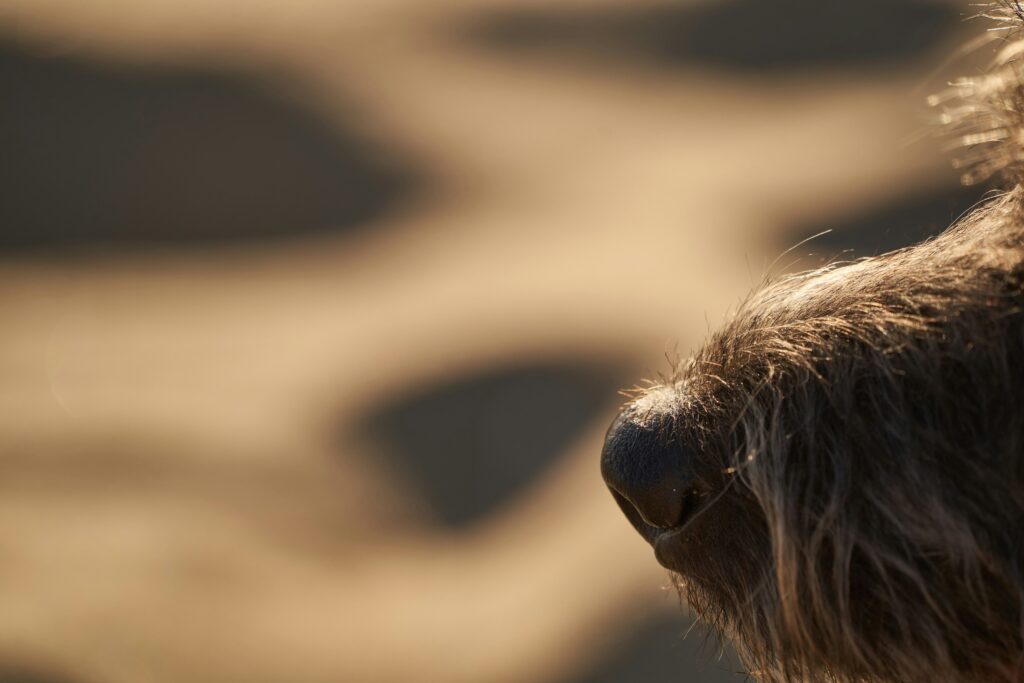
A dog’s nose has over 300 million scent receptors (compared to a human’s 5–6 million). They can detect smells at concentrations 100,000 times lower than humans can. To put it in perspective: if we can smell a teaspoon of sugar in a cup of tea, a dog can smell a teaspoon of sugar in two Olympic-size swimming pools.
Their brains are also built for scent processing. The area of a dog’s brain dedicated to analyzing smells is 40 times larger than ours.
This means dogs are constantly interpreting their environment through scent. Every sniff reveals layers of invisible information we can’t comprehend.
What Dogs Learn Through Their Nose
1. Who’s Been Here
Dogs can smell footprints and identify who left them—even hours later. To your dog, every walk is like reading a newspaper of who’s passed by: people, dogs, raccoons, you name it.
2. Emotions
Dogs can detect changes in human scent based on emotional state. Stress, fear, happiness, and even sickness change our body chemistry—and dogs pick up on it.
3. Time
Yes, dogs can even smell time. As scent particles disperse and decay, dogs learn how old a scent is. That’s how tracking dogs know if someone passed through recently or hours ago.
4. Identity
One sniff of another dog tells them everything: sex, age, health, diet, mood, and even whether the other dog is friendly or not.
5. Changes in Environment
Dogs notice subtle changes in their home or neighborhood through smell before we ever do—whether it’s a new animal, a different detergent, or a change in the weather.
Sniffing Is Seeing
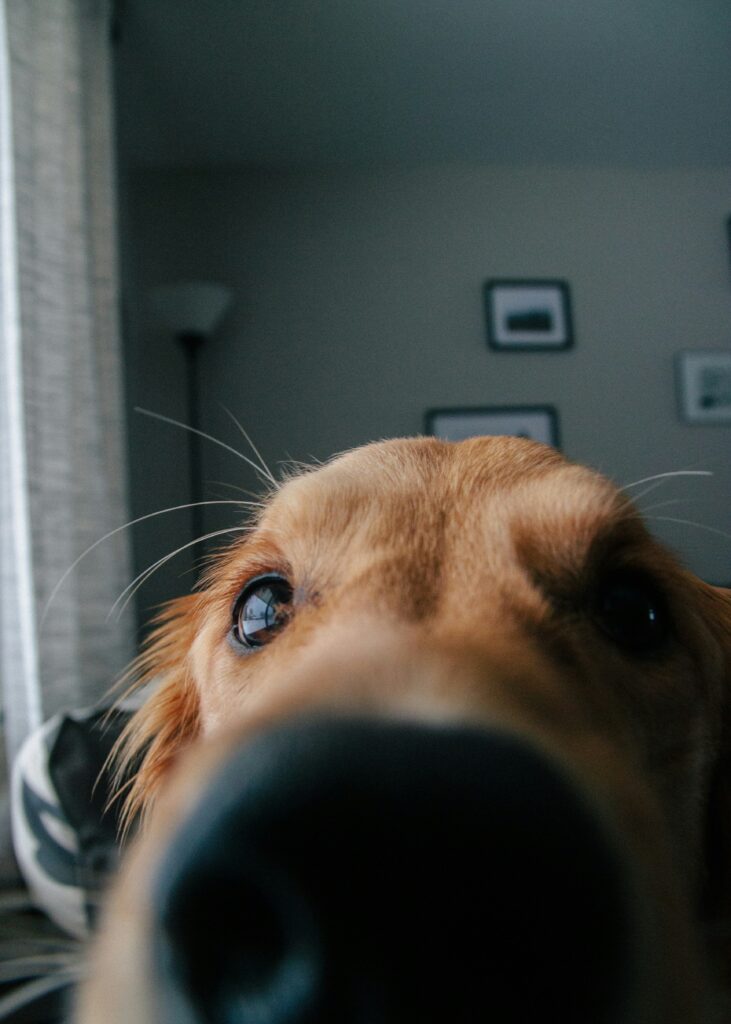
To a dog, scent is like visual memory. They can follow a scent trail just like we follow a visual path. When your dog stands in one spot with their nose in the air, they’re not zoning out—they’re “looking around.”
Even if nothing has changed to your eyes, their nose is picking up everything from distant animals to barbecues three houses down.
Why Dogs Need to Sniff
We often hurry our dogs along on walks, thinking sniffing is a distraction. But for dogs, sniffing is:
- Mental stimulation
- Emotional regulation
- A way to gather and update their map of the world
Giving your dog time to sniff on walks is the equivalent of letting them read their emails or catch up on the news.
How Dogs Use Their Nose in Daily Life
Dogs use scent for:
- Finding favorite toys
- Knowing who just visited your house
- Sensing when you’re coming home
- Smelling your mood changes
- Locating food, treats, and even pills
- Identifying illness (like cancer or seizures) in humans
Their nose shapes every interaction—what they avoid, who they approach, how they respond, and even how they play.
Encouraging a Scent-Rich Life
Here’s how you can help your dog embrace their natural talent:
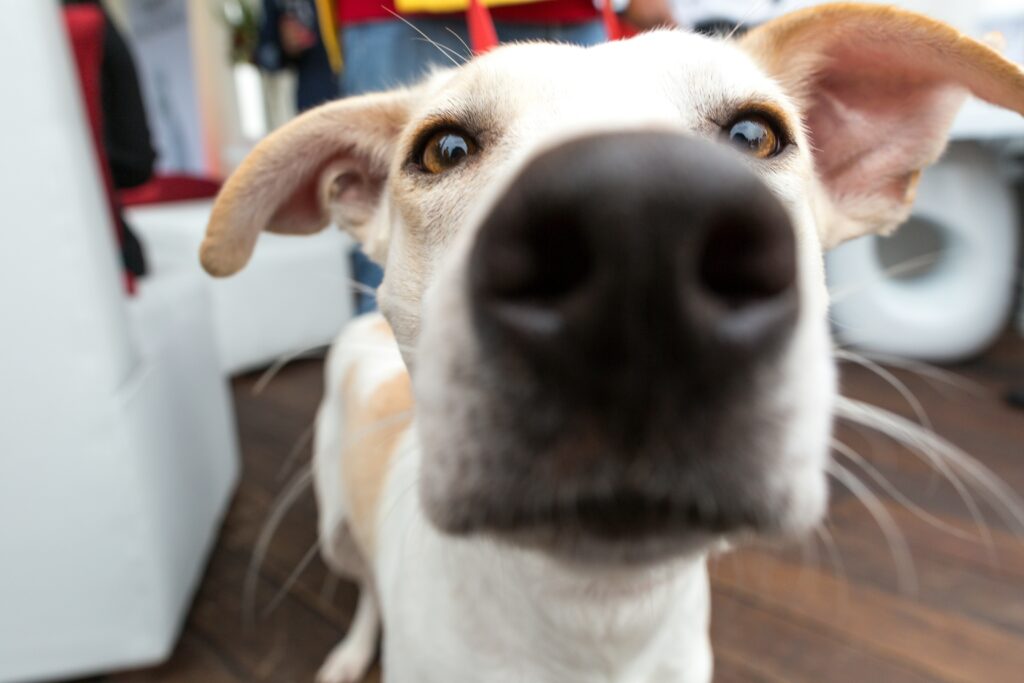
- Let them sniff on walks: Take “sniffaris” where the goal is not exercise, but exploration.
- Rotate scent toys: Add snuffle mats, hidden treats, and puzzle games to their daily routine.
- Explore new environments: Even a different block has new scent signatures.
- Train scent-based games: “Find It” and nose work are great outlets for their instincts.
Final Thoughts
A dog’s nose is not just a tool—it’s the key to how they interpret the world. Scent is their dominant sense, shaping their relationships, routines, and reactions. When we allow dogs to fully engage their noses, we’re giving them the freedom to understand, explore, and feel safe in their world.
By embracing the power of your dog’s nose, you’re giving them the gift of being fully dog—and that’s one of the kindest things we can do.