
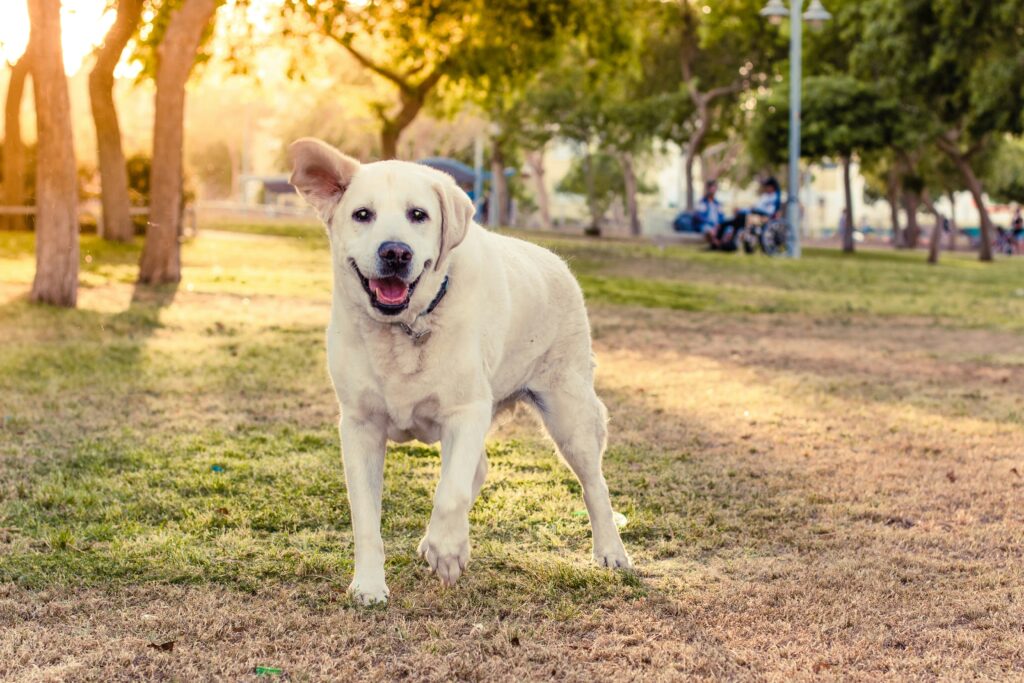
The Amazing Canine Nose
If you’ve ever walked your dog and noticed them stopping to sniff every blade of grass, puddle, or fire hydrant, you’re witnessing a behavior that is both instinctual and genetically encoded. Dogs use their noses as their primary tool for exploring and understanding the world, a skill honed over thousands of years of evolution.
Unlike humans, dogs experience life largely through scent. While our senses of sight and hearing dominate perception, a dog’s nose can detect odors at incredibly low concentrations—up to 100,000 times more sensitive than a human nose. This extraordinary ability is rooted in their genetics and ancestral survival needs.
Genetics and Evolution at Work
Dogs evolved from wolves, whose survival depended on acute olfactory abilities. Hunting, identifying prey, tracking pack members, and detecting danger all required a highly developed sense of smell. Over generations, dogs retained and enhanced these skills through both natural and selective breeding.
Breeds like Bloodhounds, Beagles, and German Shepherds are genetically predisposed to exceptional scent-tracking abilities. These breeds were selected for jobs like hunting, search-and-rescue, and police work, where their noses were crucial to success. Even breeds without a specialized scenting history retain the instinctual drive to sniff extensively.
Why Dogs Sniff Everything
Sniffing is more than just curiosity—it’s a way for dogs to gather vital information:
- Social information: Dogs can detect the presence, health, and even emotional state of other animals through scent.
- Environmental awareness: Sniffing tells dogs about recent activity, potential threats, and food sources.
- Communication: Scent markings serve as messages to other dogs, conveying territory and identity.
Genetically, dogs are wired to interpret this olfactory data with astonishing speed. Every sniff is a complex analysis of their surroundings, helping them navigate, socialize, and make decisions.
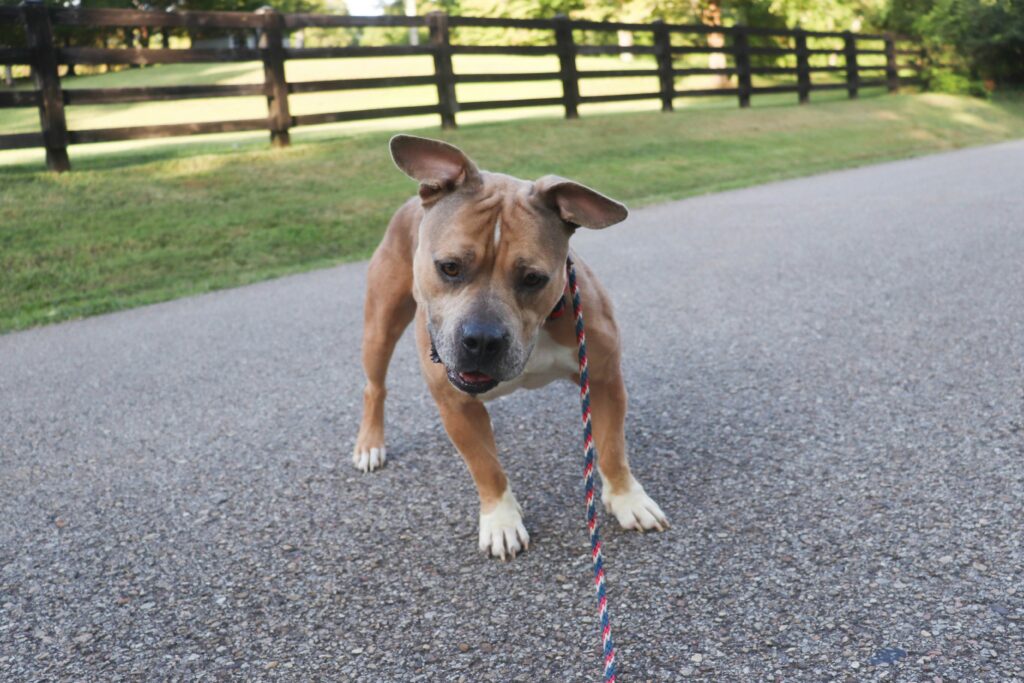
Behavioral Implications
A dog that stops frequently to sniff is not being stubborn—they’re engaging in critical sensory exploration. Puppies, in particular, rely on sniffing to learn about their environment, while adult dogs use it to confirm routines, locate resources, and maintain social awareness.
Owners who restrict or rush their dog’s sniffing time may inadvertently limit mental stimulation. Providing opportunities for your dog to sniff freely contributes to emotional well-being and cognitive development, tapping into the instincts that have been honed over millennia.
Sniffing and Mental Enrichment
Sniffing is one of the most natural forms of mental enrichment for dogs. Nose work games, scent trails, and exploratory walks can enhance cognitive function while satisfying genetic drives. This behavior combines instinct, intelligence, and curiosity—showing how genetics shapes not only what dogs do but how they experience the world.
Tips for Encouraging Healthy Sniffing
- Allow time on walks: Let your dog explore their environment at their own pace.
- Introduce scent games: Hide treats or toys for your dog to find using only their nose.
- Rotate environments: New scents stimulate curiosity and prevent boredom.
- Respect natural behaviors: Avoid pulling your dog away too quickly; sniffing is essential sensory input.
By recognizing the genetic and instinctual basis of sniffing, owners can create environments that support both physical and mental health.
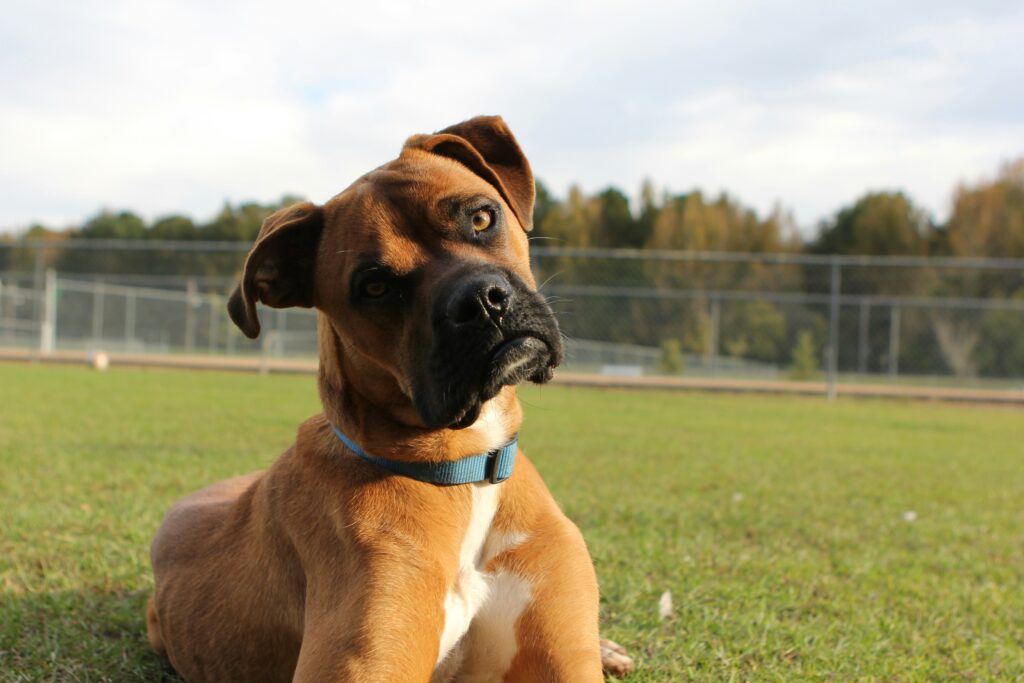
Why We Love It
Watching a dog stop, sniff, and explore is a reminder of their extraordinary senses and the evolutionary path that shaped them. Every sniff is a window into a world humans can barely perceive, highlighting the intelligence and instincts that make dogs such remarkable companions.
Final Thoughts
Dogs sniff because their genetics demand it. From survival instincts inherited from wolves to the specialized scent skills of certain breeds, sniffing is a vital, instinctual, and enjoyable behavior. Next time your dog investigates a patch of grass for several minutes, remember: they’re not just exploring—they’re engaging with the world in a way uniquely designed by nature. Appreciating this behavior deepens your understanding of your pup and strengthens the bond you share.