
Supporting your dog’s joints isn’t just about supplements or vet visits—it’s about consistent, everyday habits that keep their body strong, flexible, and pain-free. Whether you have a bouncy puppy or a wise senior, small daily choices can significantly impact their lifelong mobility.
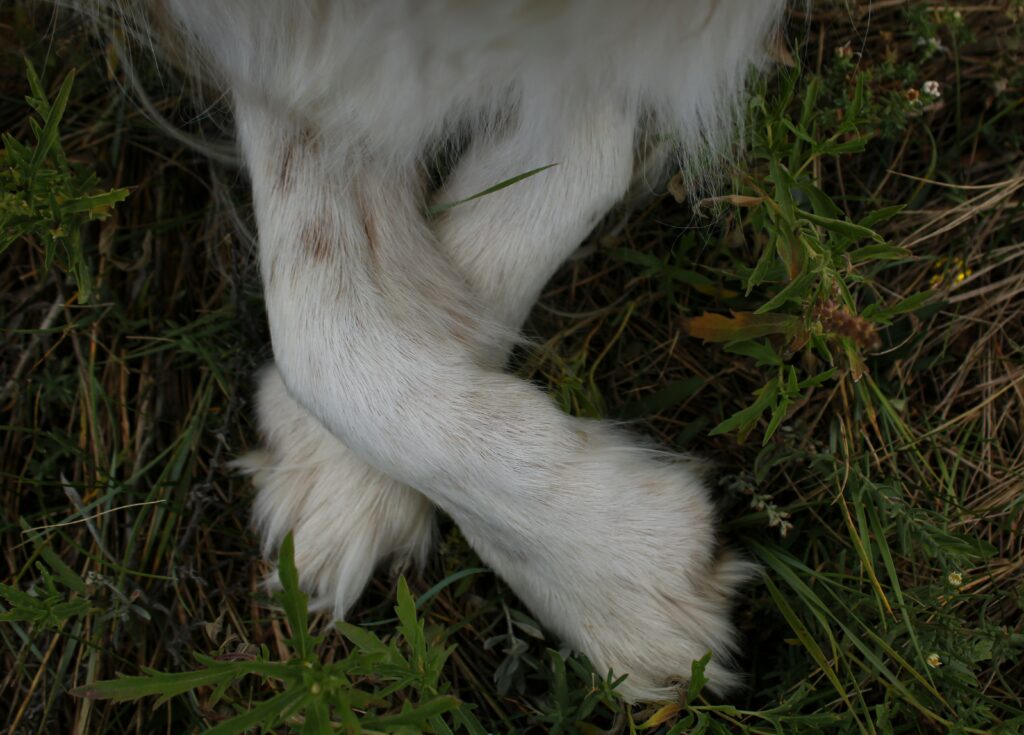
1. Keep a Consistent Exercise Routine
Movement keeps joints lubricated and muscles strong, which in turn protects the joints themselves. However, it’s all about balance. Too little exercise can lead to stiffness, while too much—or too intense—can cause strain or injury.
Aim for moderate daily activity that suits your dog’s age, size, and breed.
- For puppies: Short, frequent play sessions are best.
- For adults: Mix low-impact walks with gentle fetch or swimming.
- For seniors: Slow strolls and light stretching maintain flexibility without overexertion.
Consistency is more important than intensity. A little bit of daily movement beats a weekend marathon every time.
2. Keep Weight in Check
One of the simplest yet most powerful ways to protect your dog’s joints is by maintaining a healthy weight. Excess pounds put added pressure on hips, knees, and elbows, accelerating joint wear and tear.
Ask your vet to help determine your dog’s ideal weight and calorie needs. Pair portion control with high-quality food, and keep treats in moderation. A lean dog is a mobile dog—and a happier one too.
3. Create a Joint-Friendly Home Environment
A few small changes around the house can make a big difference in your dog’s comfort, especially for older or arthritic pups.
- Add non-slip rugs or mats on hardwood or tile floors.
- Use ramps or stairs to help them get on furniture or into cars.
- Keep essentials on one level to minimize stair climbing.
- Provide orthopedic bedding that supports joints and relieves pressure.
These adjustments not only prevent slips and falls but also reduce unnecessary strain that can worsen joint problems.
4. Warm Up and Cool Down Before Activity
Just like humans, dogs benefit from a proper warm-up and cool-down before and after exercise. Start walks slowly to let joints loosen up, and end with a few minutes of gentle strolling or massage.
You can even add light stretching to your dog’s routine—like encouraging them to “bow” (a yoga-like stretch) or gently extending their legs after activity. These small moments of care go a long way in maintaining flexibility.
5. Incorporate Gentle Massage and Bodywork
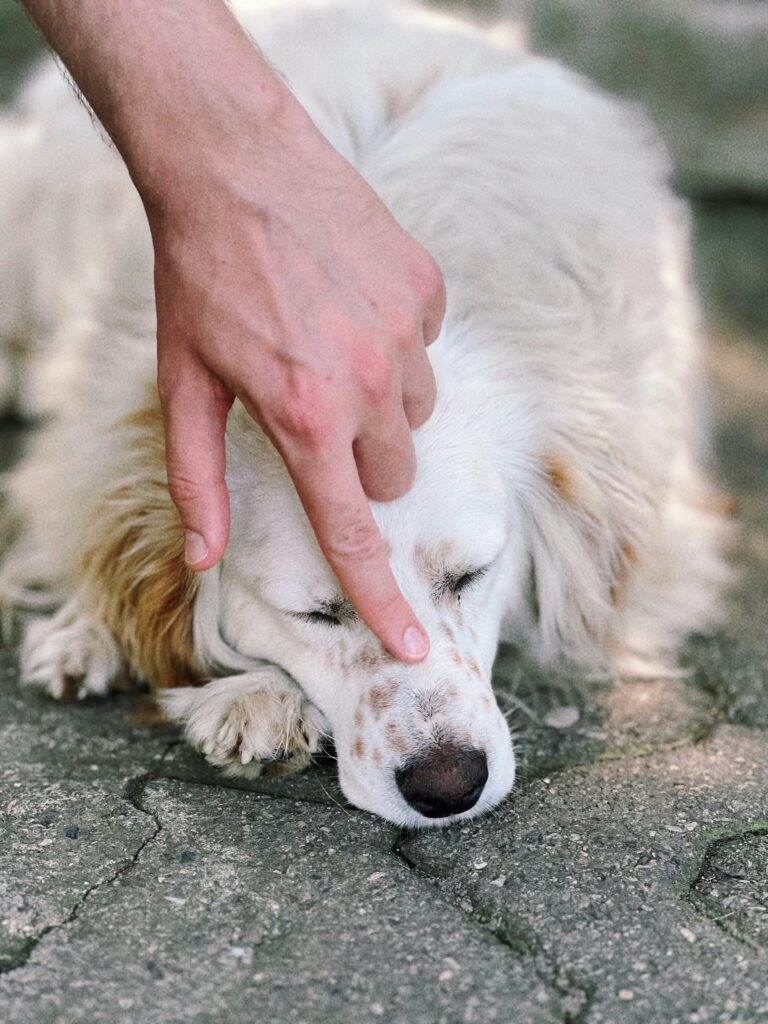
A short daily massage can help improve blood flow, reduce stiffness, and promote relaxation. Use gentle circular motions along your dog’s shoulders, back, and hips. Not only does this soothe sore muscles—it’s also a great bonding experience.
For dogs with chronic stiffness, you can look into canine physical therapy or hydrotherapy, both of which are excellent for supporting joint function without high-impact stress.
6. Support with Proper Nutrition and Supplements
Even if you’ve covered diet in previous steps, it’s worth reinforcing that good nutrition plays a daily role in joint health. Foods rich in omega-3 fatty acids, antioxidants, and lean proteins help reduce inflammation and repair tissue.
Daily supplements like glucosamine, chondroitin, and green-lipped mussel extract can provide extra support. Always discuss supplement use with your vet to ensure safety and proper dosing.
7. Prioritize Regular Vet Checkups
Early detection is key when it comes to joint issues. Regular checkups help identify changes in gait, stiffness, or weight distribution before they become painful problems.
Ask your vet about preventive screenings—especially if your dog’s breed is prone to joint conditions like hip dysplasia or arthritis.
8. Stay Attuned to Subtle Changes
Dogs often hide discomfort until it becomes severe. Watch for early signs like:
- Reluctance to jump or climb stairs
- Stiffness after rest
- Limping or uneven gait
- Decreased enthusiasm for walks
By noticing these clues early, you can intervene before joint damage worsens.
9. Keep It Fun and Positive
Most importantly, keep your joint care routine positive. Integrate play, affection, and encouragement into every part of your dog’s movement and care. A joyful, mentally engaged dog is more likely to stay active—and activity is the key to mobility.
Final Thoughts
Joint care doesn’t have to be complicated—it’s about consistent, compassionate daily actions. By combining gentle exercise, smart nutrition, a supportive home, and regular vet care, you give your dog the best possible foundation for lifelong mobility.
Every walk, stretch, and cuddle contributes to your dog’s comfort and happiness. Supporting their joints today means giving them the freedom to move with ease for years to come.