Play is one of the greatest joys of dog ownership. It helps dogs stay physically fit, mentally stimulated, and socially confident. Whether your dog loves a wild game of fetch, a good tug session, or romping with furry friends at the park, playtime can be a highlight of their day. But just like with kids on a playground, play can sometimes go wrong — slips, overexertion, and misunderstandings can lead to injuries or conflict.
Fortunately, with a little planning and awareness, you can make sure fun stays safe. This guide will help you spot early warning signs, select appropriate playmates and toys, and create an environment where play supports health and happiness.
🧠 Understanding Healthy Play Behavior
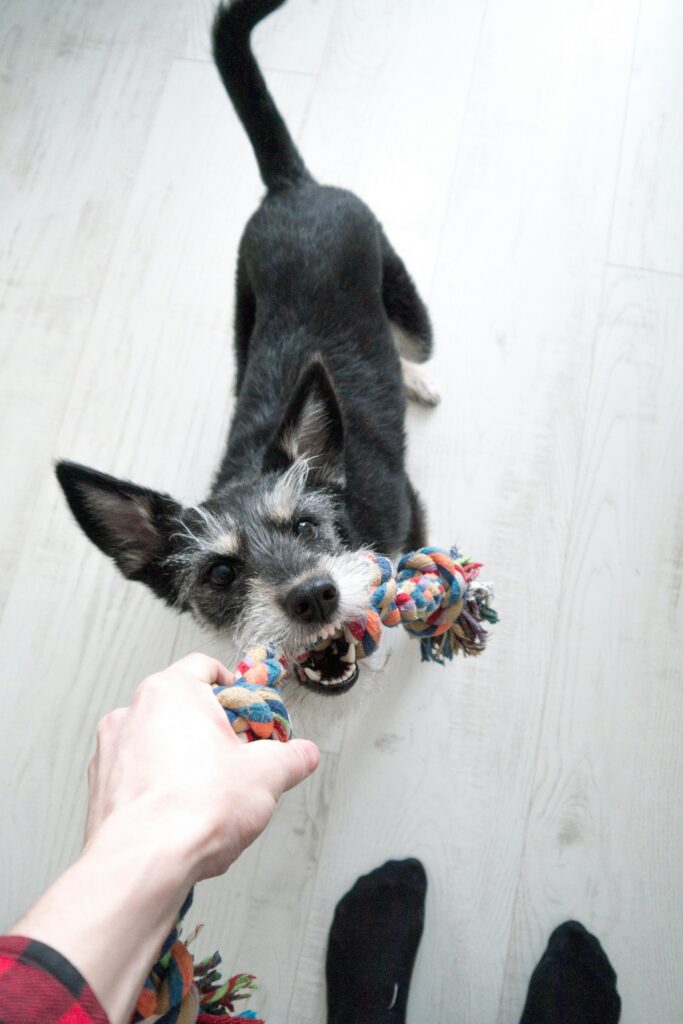
Play can look rowdy, but healthy play has clear structure and mutual enjoyment. Dogs should:
✅ take turns chasing or being on top
✅ pause for breaks to check in with each other
✅ offer play bows and loose, wiggly movement
✅ respond when the other dog says “I need space”
If both dogs keep coming back for more, it’s usually a positive interaction!
Watch for stress signals:
⚠️ tucked tail
⚠️ pinned ears
⚠️ rigid posture
⚠️ repeated attempts to escape
⚠️ “air snapping” or escalating vocalizations
A good rule: When in doubt, call them out. If play continues happily after a short break, keep going. If tension builds, it’s time to separate.
🐕 Size, Personality & Energy Level Matter
Not all play styles match well. Some dogs love full-body wrestling, others prefer gentle chasing or toy-focused games. A quiet senior might not enjoy a bouncy adolescent who can’t slow down.
✅ Choose compatible playmates:
• similar size
• similar play style
• similar age or physical ability
Even the friendliest large breed dog can accidentally injure a tiny dog simply through weight and momentum. Monitor size mismatches closely — or avoid them altogether.
🎾 Toy Safety: Smart Choices Prevent Problems
The wrong toy can lead to choking, dental injuries, or resource guarding behavior.
SAFE TOYS:
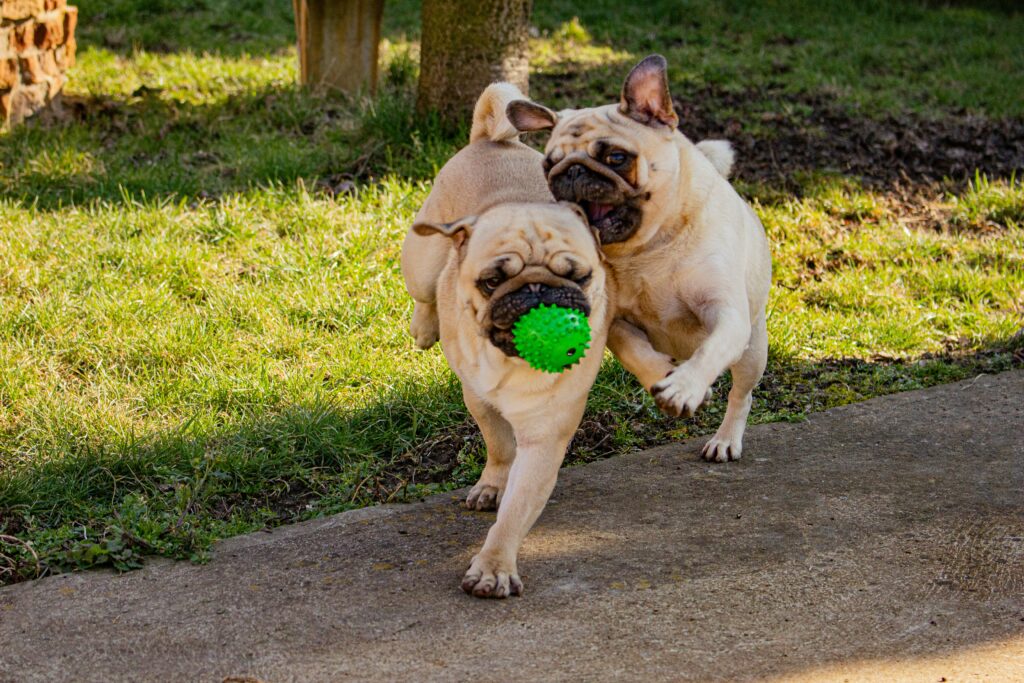
✔ rubber balls too big to swallow
✔ durable tug ropes (supervise to prevent fraying ingestion)
✔ puzzle toys that stimulate thinking
✔ plush toys for gentle chewers
USE WITH CAUTION:
⚠️ tennis balls (abrasive coating wears teeth)
⚠️ sticks (splinters, punctures)
⚠️ tug toys between mismatched dogs (can trigger guarding or frustration)
Tip: If multiple dogs are playing, remove high-value toys to reduce competition and conflict.
🏡 Setting the Play Environment Up for Success
Safe play begins with a safe space.
✅ Indoors: remove sharp furniture edges and fragile items
✅ Outdoors: check fencing, remove hazards like holes or slippery surfaces
✅ Dog parks: scout before entering
• overcrowded?
• unmonitored dogs?
• high-/low-energy mix?
If something feels “off,” skip it and play elsewhere. Your dog’s safety comes first — always.
🥵 Know When to Pause: Preventing Overexertion
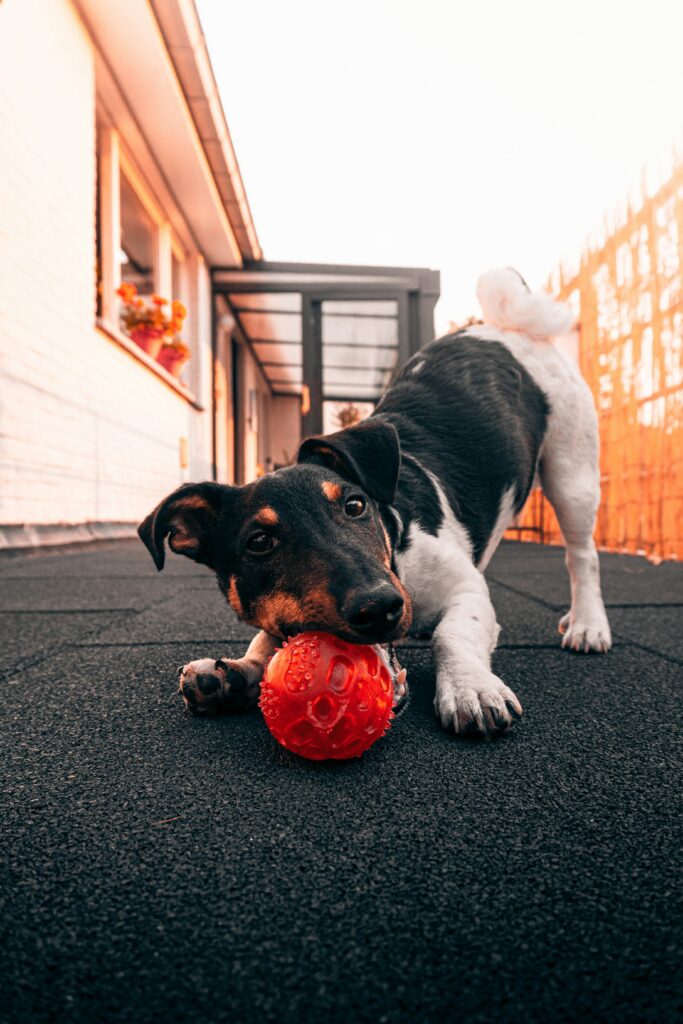
Dogs don’t always know their limits — especially when excitement kicks in.
🚩 Signs your dog needs a break:
• excessive panting or drooling
• slowing down or lagging behind
• laying down suddenly mid-play
• lack of responsiveness to cues
• hot paws or bright red gums
Water breaks are essential. For hot days, limit high-intensity games like fetch or agility and choose shaded areas. Heat exhaustion can happen faster than many owners realize.
🐾 Special Considerations for Puppies & Seniors
🧸 Puppies need structured play with rules
• avoid repetitive high-impact jumping
• introduce gentle play with well-mannered adult dogs
• use soft, size-appropriate toys
🦴 Senior dogs benefit from low-impact activities
• short play periods with rest
• avoid slippery floors and sharp turns
• modify fetch or tug to protect joints
Every dog’s needs evolve — and tailoring play to their age keeps them happy and safe.
🤝 Step In Before Conflict Escalates
Fights rarely come out of nowhere. Dogs usually communicate discomfort first.
Look for:
• repeated body slams without breaks
• neck biting with tension (not playful nibbling)
• one dog constantly pinning the other
• resource guarding over toys or people
If dynamics shift:
✅ interrupt gently with a cheerful voice or recall cue
✅ reward dogs for returning
✅ reset the situation — or end play if needed
Avoid grabbing collars mid-scuffle — redirect from a safe distance.
✅ End on a Positive Note
Just like a good workout, play should leave your dog happy, tired, and confident. Ending before your dog becomes overstimulated helps maintain positive associations and prevents meltdowns.
A quick cooldown — sniffing in the yard, gentle petting, or a slow walk — helps transition from wild to relaxed mode.
❤️ The Takeaway
Play shouldn’t just be fun — it should build physical fitness, social skills, and trust. With thoughtful planning and proactive supervision, you’ll ensure your dog enjoys all the benefits of play with none of the risks.
Safe play = happy dogs + happy humans. 🎉🐕