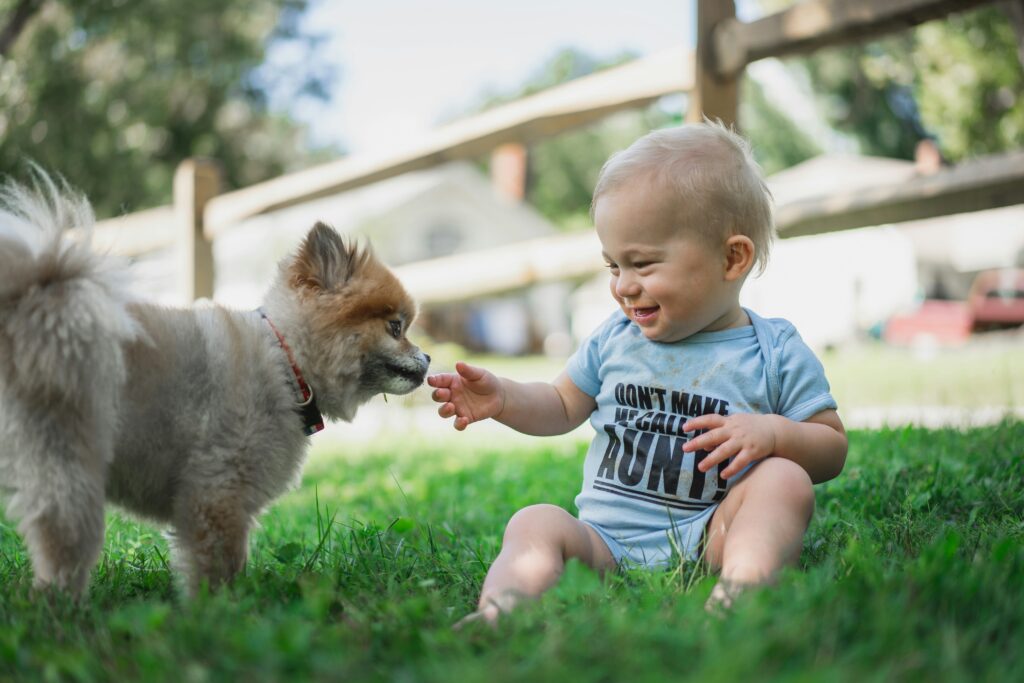
Few relationships are as special as the one between a child and a dog. When nurtured thoughtfully, dogs and kids grow together in a way that shapes empathy, responsibility, and unconditional love. But this bond doesn’t happen automatically—it develops through guidance, respect, and consistent boundaries.
Understanding how this relationship evolves over time helps families create safe, positive experiences at every stage.
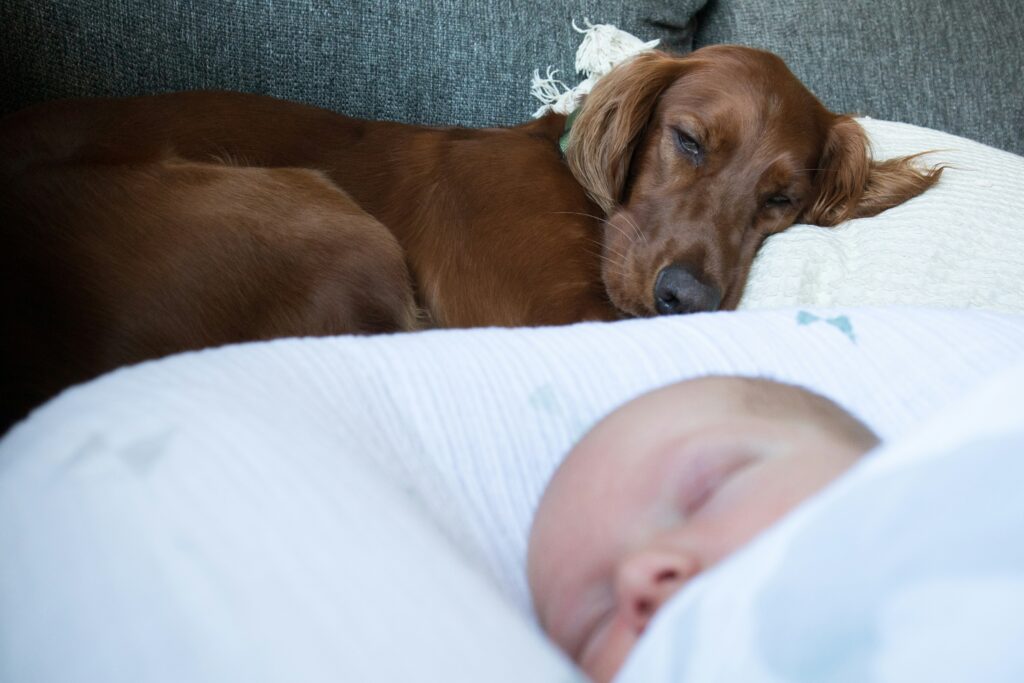
The Infant Stage: Observation and Adjustment
During infancy, interaction is minimal but incredibly important. Dogs observe routines shifting, new sounds filling the home, and attention being redirected.
At this stage:
- Dogs should not be expected to interact directly
- Calm coexistence is the goal
- Predictable routines provide comfort
- Positive reinforcement builds trust
This phase lays the groundwork for future bonding.
The Toddler Years: Curiosity and Movement
Toddlers bring excitement—and unpredictability.
During this phase:
- Supervision is critical
- Toddlers must be taught gentle touch
- Dogs need easy access to safe spaces
- Calm behavior should be consistently rewarded
Dogs often struggle most during this stage, so patience and structure are essential.
Preschool Age: Learning Responsibility
As children grow, they begin to understand rules and routines.
Preschoolers can:
- Help fill water bowls
- Practice gentle petting
- Learn when to give the dog space
- Participate in calm play
This stage is ideal for teaching empathy and respect.
School-Age Children: Deepening the Bond
School-age kids often form strong emotional bonds with dogs.
Benefits at this stage include:
- Companionship
- Emotional regulation
- Increased confidence
- Physical activity
Dogs may become protectors, playmates, and comfort sources—but supervision and respect remain key.
Teen Years: Loyalty and Emotional Support
As children enter adolescence, dogs often serve as grounding emotional anchors.
Dogs provide:
- Non-judgmental companionship
- Stress relief
- Routine and responsibility
- Unconditional support
Maintaining dog care routines ensures the relationship remains healthy and balanced.
Teaching Mutual Respect at Every Stage
A successful dog-child relationship depends on mutual respect.
Families should:
- Continue reinforcing dog boundaries
- Respect signals of discomfort
- Avoid forcing interactions
- Celebrate calm, positive behavior
Dogs deserve agency, and children thrive when taught empathy.
When Challenges Arise
Life changes, stress, and developmental stages can cause temporary challenges.
If issues appear:
- Revisit training basics
- Increase supervision
- Adjust routines
- Seek professional guidance when needed
Addressing concerns early prevents long-term problems.
Why Dogs Benefit From Growing Up With Kids
Dogs raised alongside children often become:
- More adaptable
- Emotionally intuitive
- Confident in busy environments
- Deeply bonded to family units
When supported properly, dogs thrive in family settings.
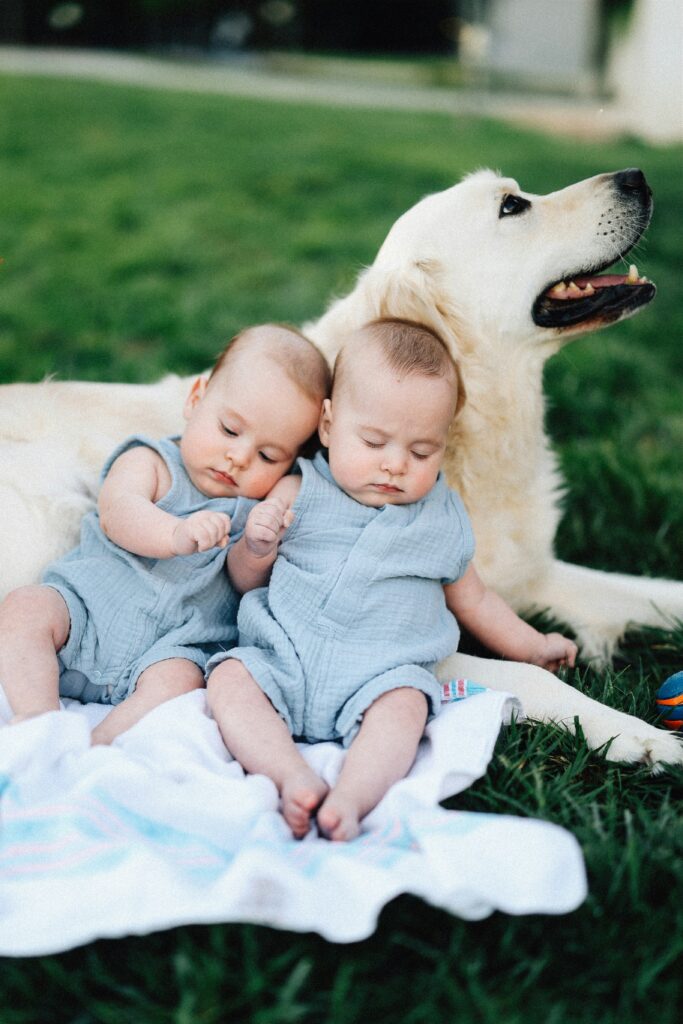
Creating a Legacy of Compassion
The lessons children learn from growing up with dogs extend far beyond childhood. They learn patience, kindness, responsibility, and empathy—values that shape how they treat others for life.
Dogs and kids don’t just grow up together—they grow better together.
A Lifelong Friendship Built on Trust
From the first baby cry to teenage milestones, dogs remain loyal companions through every chapter. With thoughtful guidance, respect, and love, families can nurture a bond that enriches everyone involved.