
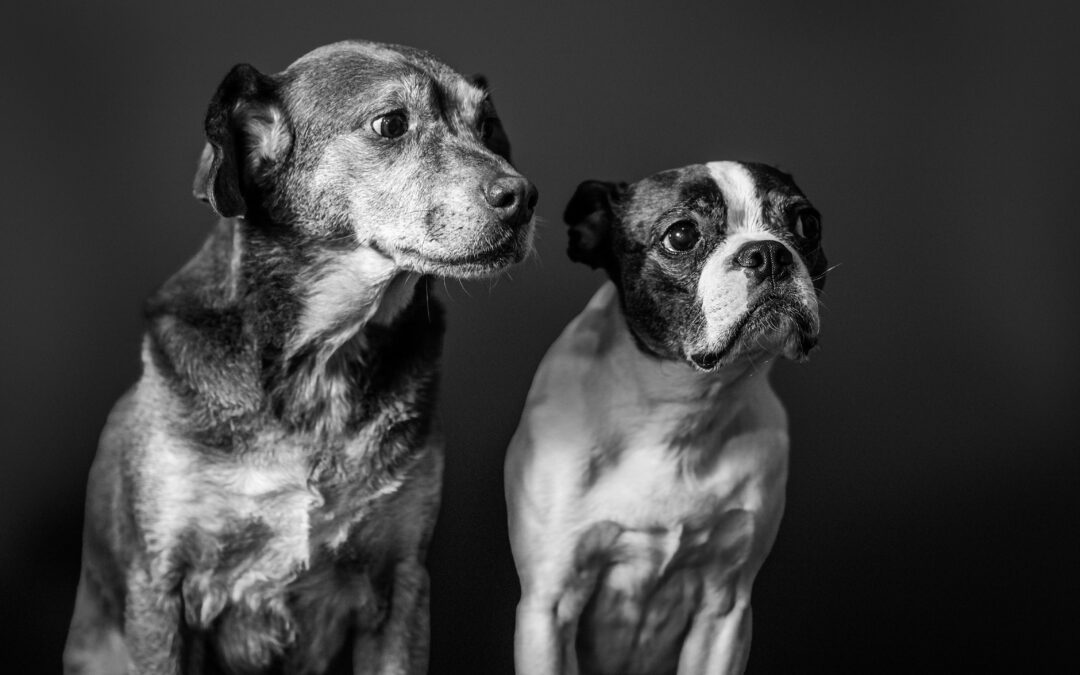
Loving a senior dog is one of the most meaningful chapters of dog ownership.
It’s slower. Softer. More observant.
And sometimes — it’s harder.
As dogs age, their needs change gradually. But there often comes a point where subtle changes turn into signs that your dog may need more support than routine care alone can provide.
Recognizing that moment isn’t about giving up.
It’s about leaning in.
The Shift from “Aging” to “Needing Help”
Normal aging includes:
- Slower movements
- More sleep
- Some hearing or vision decline
- Mild stiffness
- Lower stamina
But there is a difference between normal aging and declining quality of life.
The key is watching for patterns rather than isolated incidents.
Ask yourself:
- Is my dog still engaging with daily life?
- Are good days outnumbering hard days?
- Is discomfort manageable or increasing?
The answers help guide next steps.
Subtle Emotional Changes to Watch For
Many owners focus on physical symptoms first — but emotional shifts often show up earlier.
You might notice:
- Withdrawal from family interaction
- Increased clinginess
- Unusual irritability
- Restlessness at night
- Confusion or pacing
- Loss of interest in favorite activities
Cognitive decline (sometimes called canine cognitive dysfunction) can cause symptoms similar to dementia in humans.
Dogs may:
- Stare at walls
- Get stuck in corners
- Forget house training
- Seem disoriented in familiar spaces
These changes aren’t behavioral problems. They are neurological shifts — and they deserve compassionate management, not correction.
Physical Signs That Need Attention
Pain in dogs is often quiet.
Look for:
- Difficulty rising
- Slipping on floors
- Hesitation before lying down
- Trembling
- Changes in appetite
- Labored breathing
- Excessive panting without exertion
- Increased accidents indoors
Even subtle posture changes can signal discomfort.
If your dog:
- Holds their head lower
- Avoids turning one direction
- Shifts weight off a limb
It’s worth investigating.
Early intervention can drastically improve comfort.

When Pain Management Needs Adjusting
Many senior dogs are already on joint supplements or anti-inflammatories.
But aging is progressive.
What worked six months ago may not be enough now.
Your veterinarian may suggest:
- Adjusting medication dosage
- Adding additional pain relief
- Trying physical therapy
- Incorporating acupuncture
- Using injectable arthritis treatments
- Exploring mobility aids
Pain control is not “spoiling” your dog.
It’s humane care.
Dogs should not have to tolerate chronic discomfort simply because they are older.
Supporting Emotional Security
As senses decline, insecurity can increase.
Vision and hearing loss can cause:
- Startle responses
- Anxiety
- Clinginess
- Avoidance
You can help by:
- Keeping furniture layout consistent
- Approaching gently and announcing yourself
- Using nightlights
- Maintaining routine feeding and walking schedules
- Providing a predictable daily rhythm
Routine becomes safety.
For cognitively declining dogs, enrichment should shift from complex to simple:
- Sniffing games
- Gentle food puzzles
- Short outdoor exploration
- Calm companionship time
Overstimulation can increase confusion. Simplicity brings peace.
Mobility Aids and Adaptive Tools
There is no shame in support devices.
Consider:
- Harnesses with lift handles
- Rear-end support slings
- Non-slip socks
- Ramps
- Orthopedic beds
- Elevated bowls
These tools extend independence.
They reduce frustration.
They protect dignity.
Dogs don’t see these supports as weakness. They simply feel relief.

Monitoring Quality of Life
Veterinarians often use quality-of-life scales to help owners evaluate comfort objectively.
You can consider:
- Is my dog eating willingly?
- Are they able to move without severe distress?
- Do they respond to affection?
- Are they experiencing more good days than bad?
- Can discomfort be managed?
Write observations down. Patterns are easier to see on paper than in emotion.
And emotion is powerful during this stage.
The Emotional Weight for Owners
Caring for a senior dog can bring anticipatory grief.
You may feel:
- Hyper-aware of changes
- Anxious about decline
- Protective
- Overwhelmed
This is normal.
Senior dog care requires presence.
But remember — your dog doesn’t measure life in years left.
They measure it in moments:
- A gentle walk
- A favorite treat
- A warm nap near you
- The sound of your voice
If those moments still exist, there is still connection.
When Comfort Becomes the Priority
There may come a time when treatment shifts from prolonging life to maximizing comfort.
That shift is not failure.
It is love in its most selfless form.
Sometimes “more support” means:
- More medication
- More environmental help
- More rest
And sometimes it means:
- Making a compassionate decision to prevent suffering
There is no universal timeline.
Only individual dogs and the people who know them best.
The Gift of the Final Chapter
Senior dogs teach patience.
They teach observation.
They teach us to value stillness over speed.
Supporting an aging dog — emotionally and physically — is one of the deepest bonds you can experience as an owner.
The goal is not endless time.
The goal is meaningful time.
And when you respond early, adjust thoughtfully, and prioritize comfort, you give your dog something extraordinary:
A final chapter filled with dignity, security, and love.