by OLK9Alex | Apr 1, 2026 | Uncategorized
Your dog’s environment plays a huge role in how much they bark. A chaotic environment often creates a reactive dog. Create Predictability Dogs thrive on routine: Feeding times Walk schedules Sleep patterns Consistency reduces anxiety—and barking. Reward Calmness Daily...
by OLK9Alex | Mar 23, 2026 | Uncategorized
Many people think structure will make their dog feel restricted—but the opposite is true. Structure actually reduces anxiety. Why Dogs Crave Predictability Dogs feel safest when they know: What’s happening next What’s expected of them How to succeed Without that,...
by OLK9Alex | Mar 12, 2026 | Uncategorized
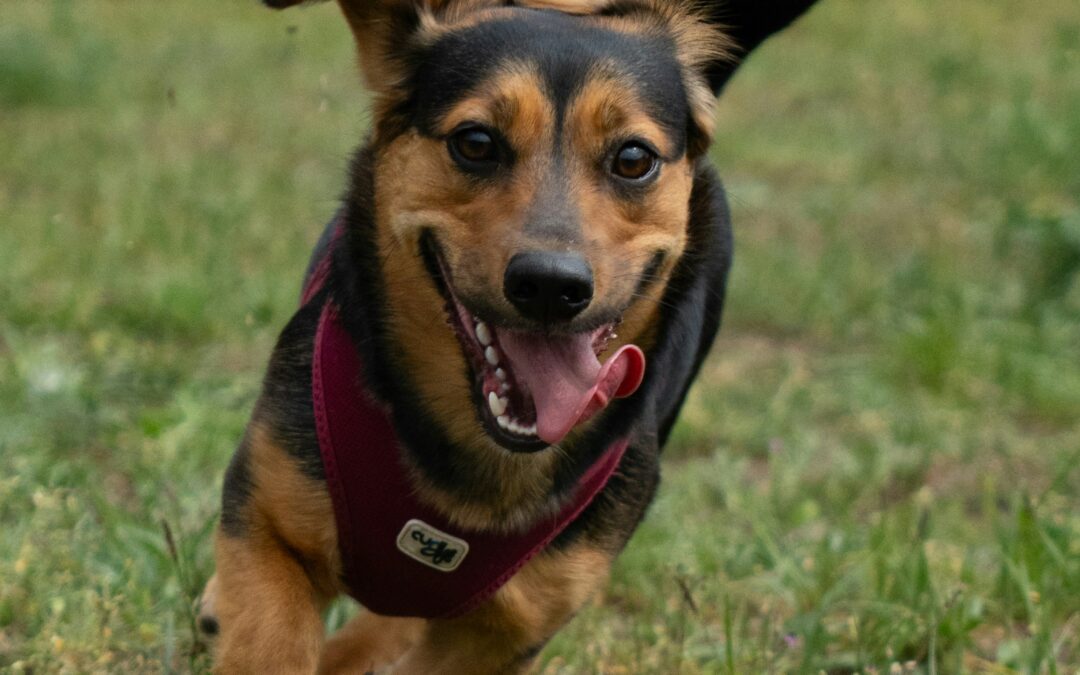
Once your dog can calmly observe other dogs from a distance and practice the Look and Return method, the next step is teaching them how to pass other dogs politely during walks. This stage of training helps turn those calm observation skills into real-life behavior....
by OLK9Alex | Feb 16, 2026 | Uncategorized
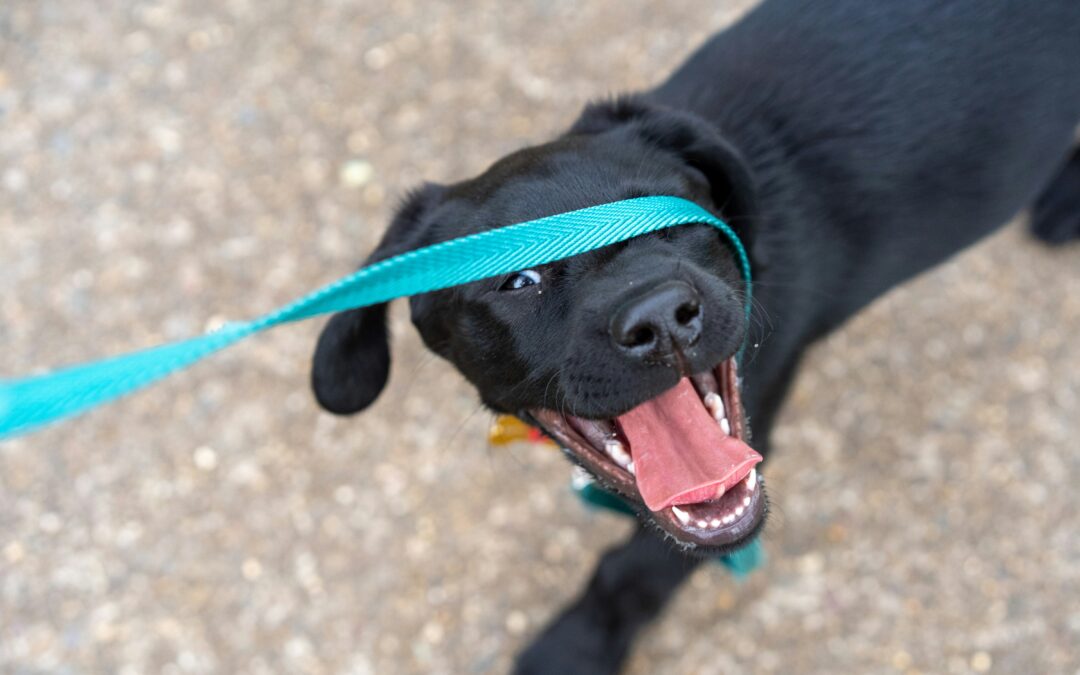
By now, your puppy understands: Following you indoors That pulling stops movement How to re-engage How to handle mild distractions Now it’s time to shape your walks into something sustainable. Not chaotic.Not reactive.Not exhausting. But calm, structured, and...
by OLK9Alex | Feb 12, 2026 | Uncategorized
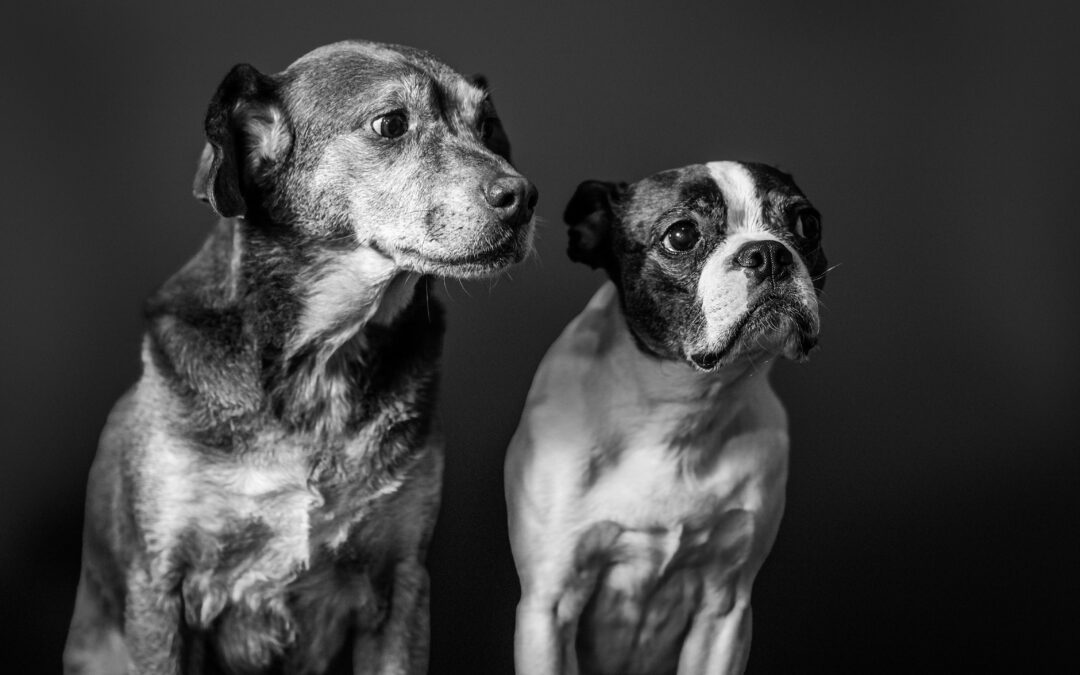
Loving a senior dog is one of the most meaningful chapters of dog ownership. It’s slower. Softer. More observant. And sometimes — it’s harder. As dogs age, their needs change gradually. But there often comes a point where subtle changes turn into signs that your dog...