
Dogs are known for their love of sleep, but not all naps are created equal. A puppy’s snooze is vastly different from a senior dog’s midday nap. As dogs age, their energy levels, metabolism, and physical comfort evolve—so their sleep needs change, too. Understanding these differences helps you care for your pup through every life stage, ensuring they get the right balance of rest and activity.
1. Puppyhood: Growth Through Sleep
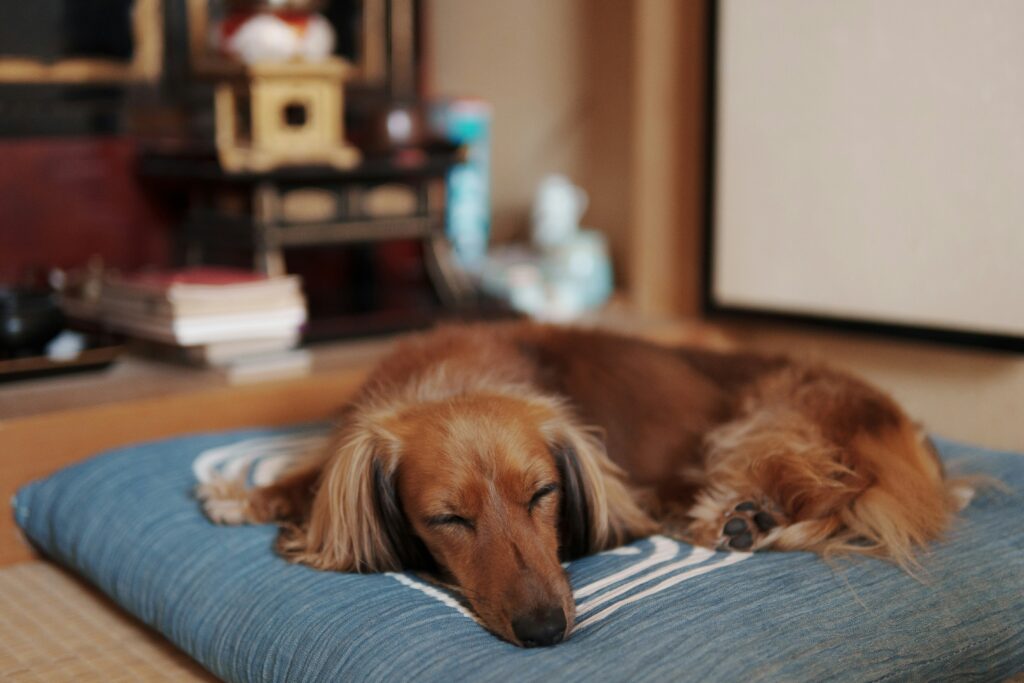
If you’ve ever raised a puppy, you know they can fall asleep almost anywhere—mid-play, during a cuddle, even while eating sometimes! That’s because puppies need 18–20 hours of sleep per day.
Sleep plays a crucial role in:
- Brain development: Puppies process everything they’re learning—commands, social cues, and new environments—while they sleep.
- Physical growth: Growth hormones are released during deep sleep, supporting healthy muscles and bones.
- Emotional regulation: Just like toddlers, tired puppies can become cranky or hyper. Regular naps prevent overstimulation and unwanted behaviors.
Tip: Establish consistent nap and bedtime routines early on to help your puppy adjust to household rhythms.
2. Adolescence: Bursts of Energy and Deep Recovery
As puppies mature into adolescents (around 6 months to 2 years), their energy skyrockets—but so does their need for recovery. These young dogs typically sleep 14–16 hours a day, alternating between playful energy and long naps.
During this stage, dogs often experience growth spurts and high physical demand from training or exercise. Adequate rest allows their bodies and minds to recover, preventing fatigue and supporting continued learning.
Tip: Make sure your dog has a calm, quiet area where they can rest undisturbed after activity or training sessions.
3. Adulthood: Finding the Sleep Balance
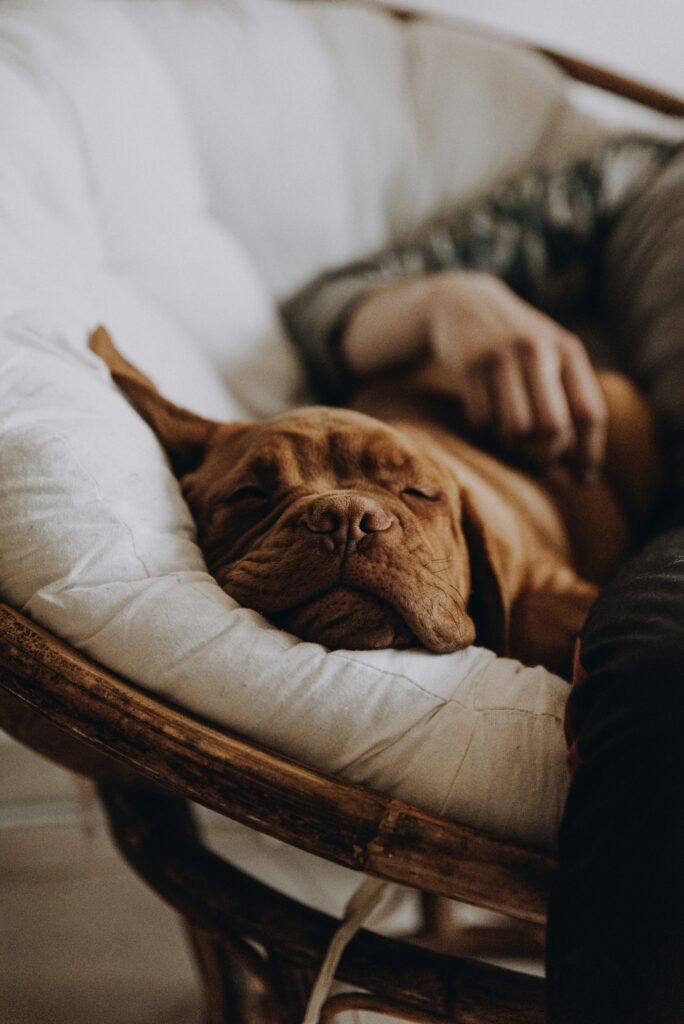
Adult dogs generally need 12–14 hours of sleep per day, depending on their size, breed, and lifestyle. Working or highly active dogs may rest deeply but less frequently, while companion breeds or low-energy dogs may nap throughout the day.
At this stage, maintaining a consistent routine is key. Regular exercise, balanced nutrition, and mental stimulation help regulate your dog’s sleep-wake cycle. A dog who gets enough daily enrichment will sleep soundly rather than out of boredom.
Tip: Observe your dog’s natural sleep rhythm. Some may prefer one long nighttime stretch, while others benefit from shorter, frequent naps.
4. Senior Years: The Return to Longer Sleep
As dogs reach their senior years—usually around age 7 for large breeds and 10 for small ones—you’ll likely notice them sleeping more again. Senior dogs can snooze 16–18 hours a day or more, and that’s completely normal.
This increased sleep is due to:
- Slower metabolism
- Reduced mobility or joint discomfort
- Less overall activity
- Cognitive changes, such as canine cognitive dysfunction (similar to dementia in humans)
Older dogs may experience lighter, more fragmented sleep, waking more often at night or napping frequently during the day.
Tip: Provide orthopedic bedding, easy access to water, and a quiet space free from drafts or disturbances. Gentle evening routines can also help them settle.
5. Breed and Size Influence Sleep Needs
Age isn’t the only factor—breed and size play a big part, too:
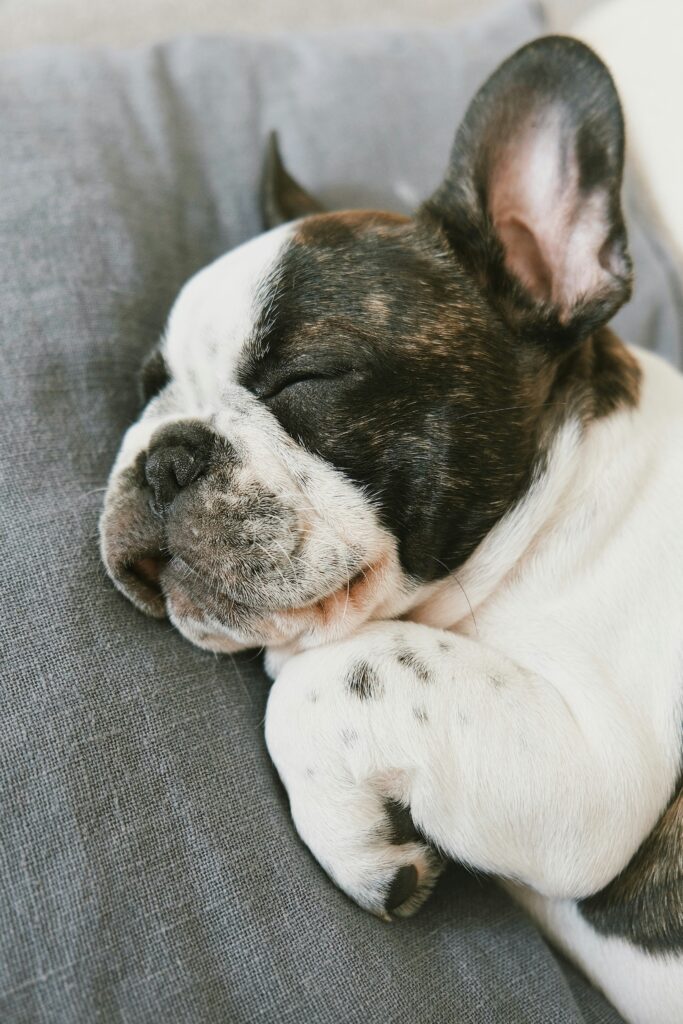
- Large breeds (like Great Danes, Mastiffs, and Newfoundlands) often sleep more due to their energy expenditure and body mass.
- Small breeds (like Terriers or Toy Poodles) may nap more often but in shorter bursts.
As these dogs age, these tendencies generally stay the same but become more pronounced.
6. When to Worry About Changes in Sleep
While more sleep is typical as dogs age, sudden or extreme changes may signal an underlying issue. Contact your vet if your dog:
- Struggles to wake up or seems unusually lethargic
- Whines or moves restlessly during sleep
- Snores excessively (especially in breeds not prone to it)
- Sleeps significantly more or less than usual without a clear reason
These could point to pain, illness, thyroid issues, or cognitive decline.
7. Helping Your Dog Sleep Well at Every Age
A good night’s rest isn’t just about quantity—it’s about quality. Here’s how to promote healthy sleep throughout your dog’s life:
- Puppies: Structured nap times, crate training, and gentle bedtime routines.
- Adults: Consistent schedules, daily physical and mental enrichment.
- Seniors: Comfort aids (orthopedic beds, ramps), easy nighttime potty access, and vet-monitored supplements if needed.
Creating a predictable, comfortable environment reduces anxiety and helps your dog feel secure enough to fully relax.
In Summary
From the endless naps of puppyhood to the slower rhythms of old age, every stage of a dog’s life brings new sleep needs. Paying attention to these changes helps you support their overall well-being, keeping them rested, happy, and healthy from start to finish.
After all, those long naps aren’t laziness — they’re nature’s way of helping your best friend recharge for life’s next adventure. 🐾💤