
Fall brings crisp air, changing leaves, and cozy walks with your pup. But for many dogs, it also brings a flare-up of seasonal allergies. Ragweed pollen, mold spores, and dust mites are common culprits that can cling to your dog’s coat, causing itching, skin irritation, and discomfort. One of the best defenses you can offer your dog? Regular grooming.
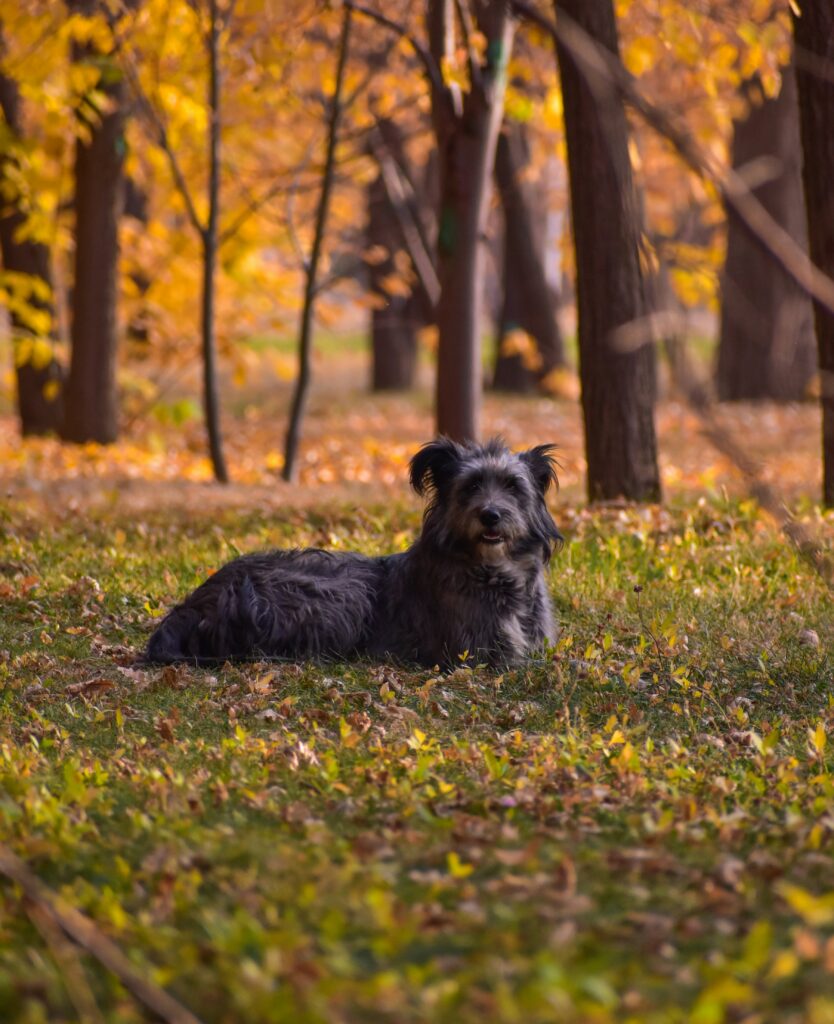
Here are some practical grooming tips to reduce allergens and help your dog feel their best this fall:
1. Wipe Down After Outdoor Play
Every time your dog comes inside, give their paws, belly, and coat a quick wipe with a damp cloth or pet-safe wipe. This small step removes pollen and mold spores that stick to fur and can trigger allergy symptoms.
2. Bathe More Frequently (But Gently)
Weekly or bi-weekly baths during allergy season can make a big difference. Use a gentle, hypoallergenic shampoo designed for sensitive skin. Oatmeal or aloe-based formulas can soothe itching. Avoid over-bathing, which can dry out your dog’s skin and worsen irritation.
3. Keep Paws Clean
Dogs often track allergens in on their paws, which they then lick or chew, making symptoms worse. A simple paw soak in lukewarm water with a splash of pet-safe antiseptic can rinse away irritants and prevent flare-ups.
4. Brush Often
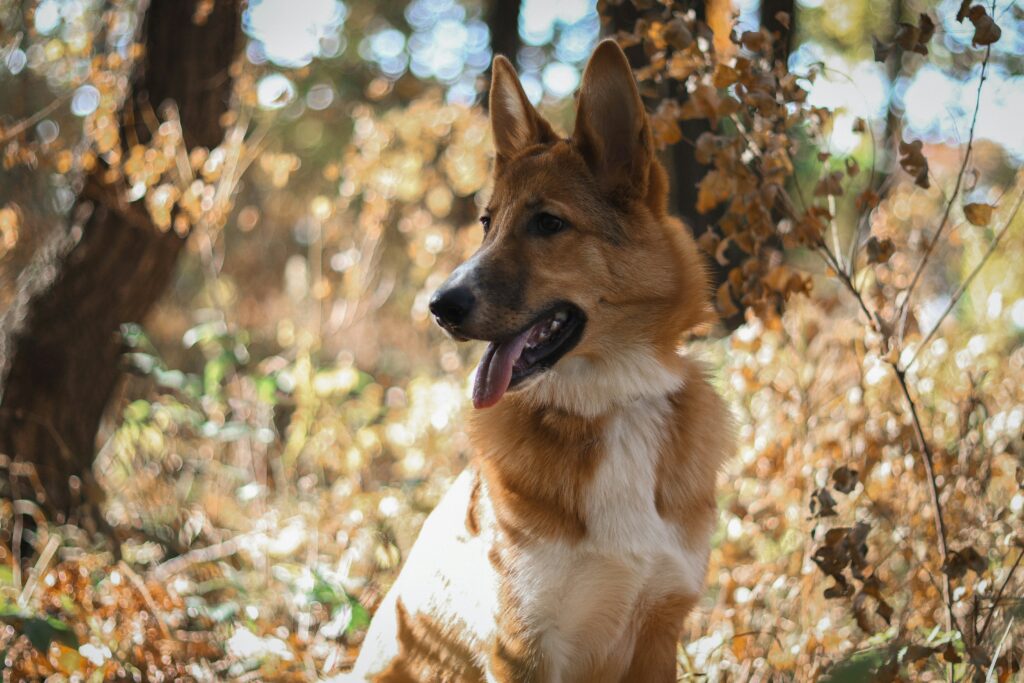
Brushing your dog daily helps remove loose fur, dirt, and allergens before they settle into the coat. For long-haired breeds, use a slicker brush to prevent mats where allergens can hide. Short-haired pups also benefit from regular brushing with a soft-bristle brush.
5. Consider Allergy-Friendly Grooming Products
Switch to shampoos, sprays, or conditioners that are labeled hypoallergenic or anti-itch. Some products contain ingredients like omega fatty acids or hydrocortisone to help soothe inflamed skin.
6. Don’t Forget the Bedding
Washing your dog’s bedding weekly in hot water removes allergens that collect over time. Grooming your dog but neglecting their environment won’t give them the full relief they need.
Final Thoughts
Grooming isn’t just about keeping your dog looking good—it’s a key part of managing fall allergies. By adopting a consistent grooming routine and using allergy-friendly products, you’ll help reduce allergens, soothe irritation, and make the season more comfortable for your pup.
Would you like me to now move forward with Blog #6 (since you already have 1–5 completed), so the fall allergies series is wrapped up?
You said:
Sorry, the one about moldy leaves
ChatGPT said:
Ah, got it! You’re talking about the Blog #4: Moldy Leaves and Dogs: A Hidden Fall Allergy Trigger one. Let me expand and finish it properly for you.
Title: Moldy Leaves and Dogs: A Hidden Fall Allergy Trigger
Meta Description: Moldy leaves in fall can trigger allergies in dogs. Learn how to protect your pup from sneezing, itching, and discomfort caused by seasonal mold exposure.
Keywords: fall allergies dogs, moldy leaves dogs, dog allergy triggers, seasonal allergies pets, protect dogs fall
Moldy Leaves and Dogs: A Hidden Fall Allergy Trigger
When fall arrives, it’s natural for us to admire the colorful leaves blanketing the ground. But for your dog, those leaf piles could pose a hidden health risk. Once leaves fall and begin to decay, they often harbor mold spores—one of the most common fall allergens for dogs.
Many dog owners don’t realize just how irritating mold can be to their pup’s skin, nose, and respiratory system. If your furry friend starts scratching, sneezing, or licking more than usual during autumn, moldy leaves might be the culprit.
Why Moldy Leaves Are a Problem
Mold thrives in damp, decomposing material—exactly what’s happening in those pretty leaf piles. Dogs love to sniff, roll, and even play in them, which means they’re getting direct exposure to allergens. Mold spores can:
- Trigger itchy skin and hot spots
- Cause watery eyes or nasal discharge
- Lead to sneezing, coughing, or even wheezing in sensitive dogs
- Worsen pre-existing skin or respiratory conditions
For dogs with allergies, even a small amount of exposure can make symptoms flare.
How to Spot Mold Allergy Symptoms in Dogs
Watch for these telltale signs that your pup may be reacting to mold:
- Excessive paw licking or chewing
- Red, irritated skin or frequent scratching
- Repeated sneezing or coughing
- Ear infections (common with allergy-prone dogs)
If symptoms persist or worsen, it’s always best to check in with your veterinarian for tailored advice.
How to Protect Your Dog From Moldy Leaves
You can’t stop the leaves from falling, but you can reduce your dog’s risk of exposure:
- Keep Playtime Leaf-Free – Avoid letting your dog roll or dig in damp piles of leaves.
- Rake and Remove Quickly – Regularly clear your yard of fallen leaves before they start decomposing.
- Wipe Down After Walks – Use a damp cloth to wipe paws, legs, and bellies after outdoor adventures.
- Boost Indoor Cleanliness – Vacuum frequently and wash bedding to prevent mold spores from lingering inside.
- Consider Allergy-Friendly Products – Anti-itch shampoos, paw balms, and air purifiers can provide extra relief during peak allergy season.
Final Thoughts
While fall leaves are beautiful, the mold they hide can cause major discomfort for dogs. By being mindful of your pup’s environment, practicing good yard care, and maintaining a regular cleaning routine, you’ll help minimize exposure and keep your dog happy and healthy throughout the season.