
The Wild Hour: Why Dogs Zoom Before Bed
You’re winding down. The lights are dim. Maybe you’re in pajamas and about to relax.
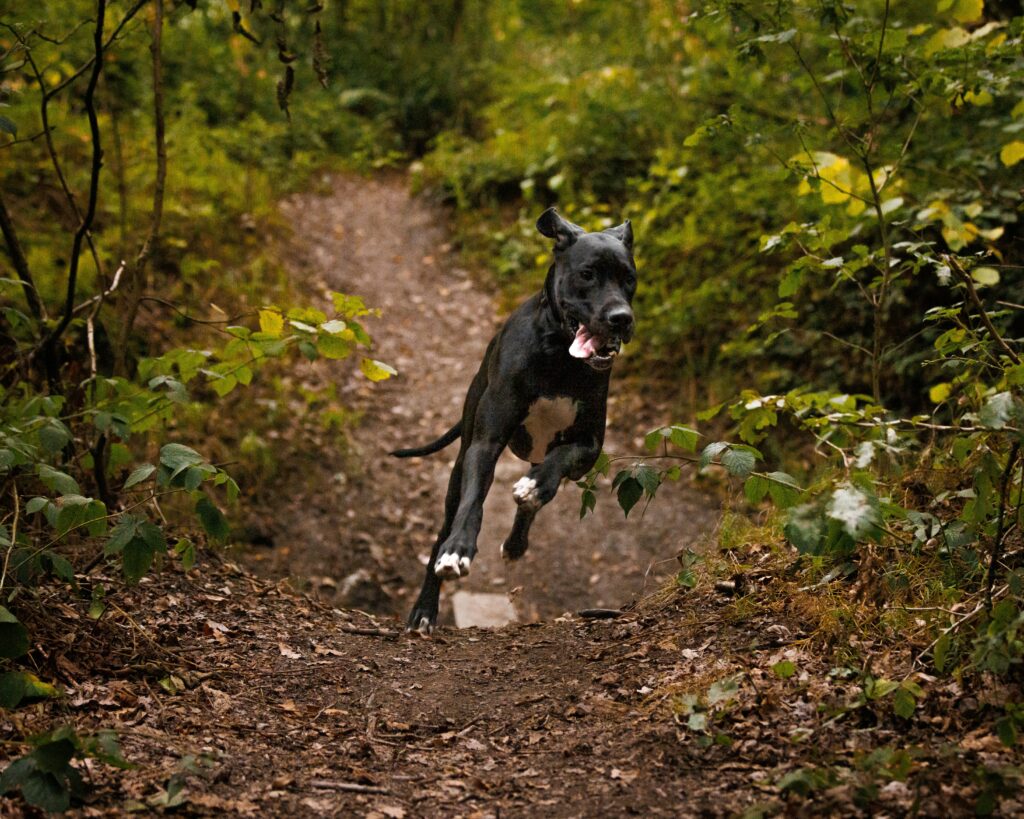
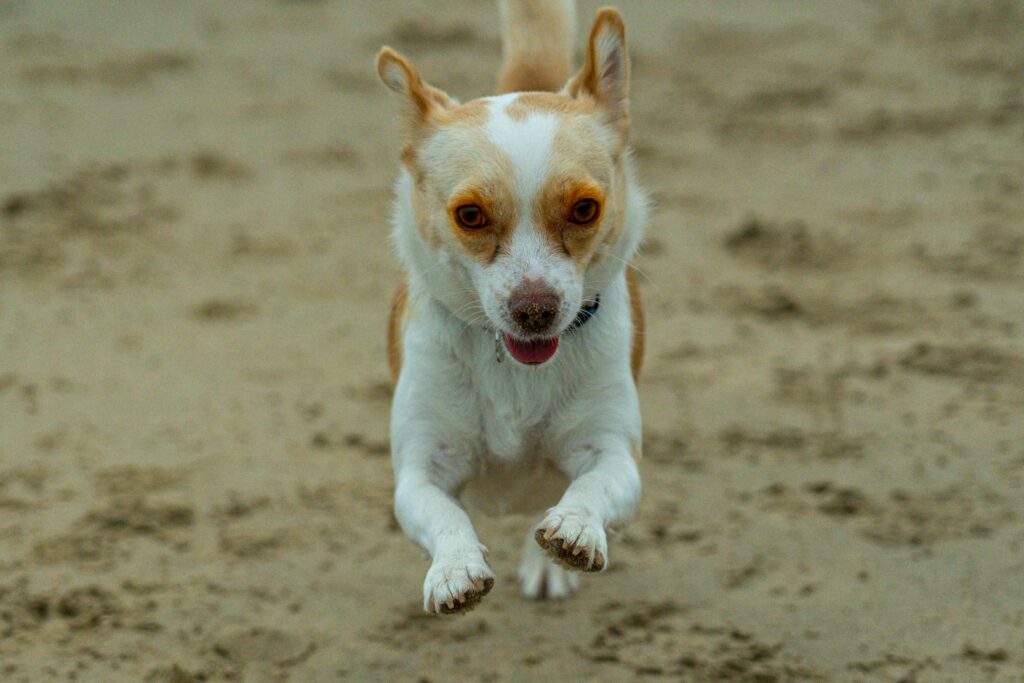
And suddenly—your dog bolts across the room, ricochets off the couch, and zooms in circles like they just drank three cups of espresso.
Welcome to the phenomenon of evening zoomies, also known as bedtime crazies or witching hour zooms.
These sudden bursts of nighttime energy are very common—and perfectly normal.
What Triggers Nighttime Zoomies?
Let’s break down why dogs often get these late-night surges of energy:
1. Built-Up Energy Throughout the Day
Even if your dog had some activity earlier, they may still have residual energy that didn’t get fully used up. If a dog’s mental or physical needs weren’t met throughout the day, they’ll often release it right before bed in a big, dramatic display.
Signs your dog needs more enrichment:
- Chewing inappropriate items
- Barking or pacing in the evening
- Zooming consistently every night
2. Lack of Evening Structure
Dogs thrive on routine. If the evening hours are a bit too open or unstructured, dogs might fill the gap themselves—with excitement, play, or frantic energy.
Adding a predictable routine (like a walk, puzzle, or quiet cuddle time) before bed can help settle their rhythm.
3. It’s a Natural Wind-Down Process
Zoomies might actually be a sign that your dog is getting ready for bed.
Just like kids often act wild before they crash, dogs may use a final burst of energy to burn off steam before they settle into rest.
This “final push” might include:
- Running fast circles
- Tossing toys in the air
- Barking excitedly
Afterward, they often collapse into deep sleep.
4. Reaction to Your Schedule
Dogs are highly intuitive. If your house gets active during evening hours (kids coming home, TV turning on, dinner being served), your dog may mirror that spike in activity.
Even if it’s unintentional, your energy might be fueling their excitement.
5. Diet and Feeding Schedules
Feeding your dog late at night may result in an energy spike if the food contains a high-carb or sugar-filled treat.
Pay attention to:
- Ingredients in evening snacks
- Timing of their meals
- Any new treats that might be contributing to restlessness
How to Handle Nighttime Zoomies
Even though bedtime zooms are normal, they can be disruptive. Here’s how to gently guide your dog toward calm evenings:
🐾 Create a Consistent Evening Routine
Dogs love knowing what to expect. Set a clear routine like:
- 6 PM: Walk or playtime
- 7 PM: Dinner
- 8 PM: Puzzle toy or chew
- 9 PM: Calm cuddle or quiet crate time
This structure trains the body and brain to shift into sleep mode naturally.
🐾 Don’t Chase or Hype Them Up
If you laugh, run after them, or engage in wild play, zoomies may become a game. Instead:
- Remain calm
- Redirect with a calm activity like a chew toy or licky mat
- Avoid yelling or punishment—it doesn’t help and can make them more anxious
🐾 Use Calming Tools if Needed
You can incorporate:
- Soothing music or white noise
- Dimmed lights
- Calming pheromone sprays or diffusers
- A weighted blanket or calming bed
These can reinforce a peaceful atmosphere.
🐾 Exercise During the Day
If your dog is consistently wild at night, try adjusting your daytime schedule:
- Add a longer afternoon walk
- Introduce new toys or training games
- Use interactive feeders to engage their brain
A tired dog is less likely to zoom at bedtime.
Final Thoughts
Evening zoomies are completely natural and often short-lived. As long as your dog is healthy and safe, there’s no need to worry.
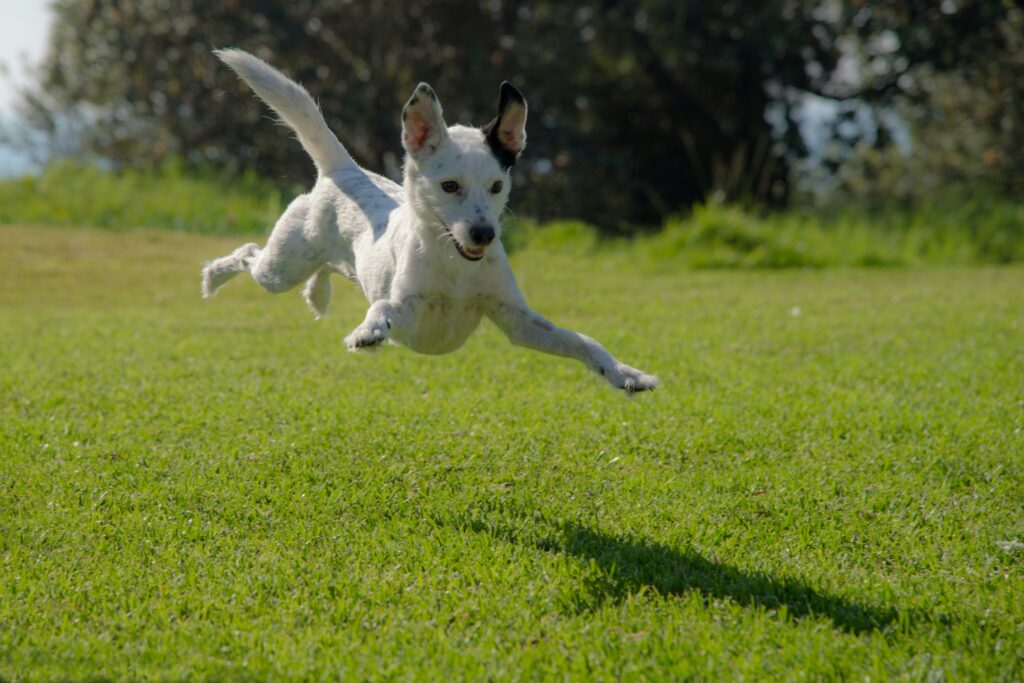
In fact, these bursts of joy are a sign of a dog who feels comfortable, playful, and expressive in their home.
With time, structure, and a bit of patience, your dog’s nighttime zooms can become a harmless—and even endearing—part of their routine.