

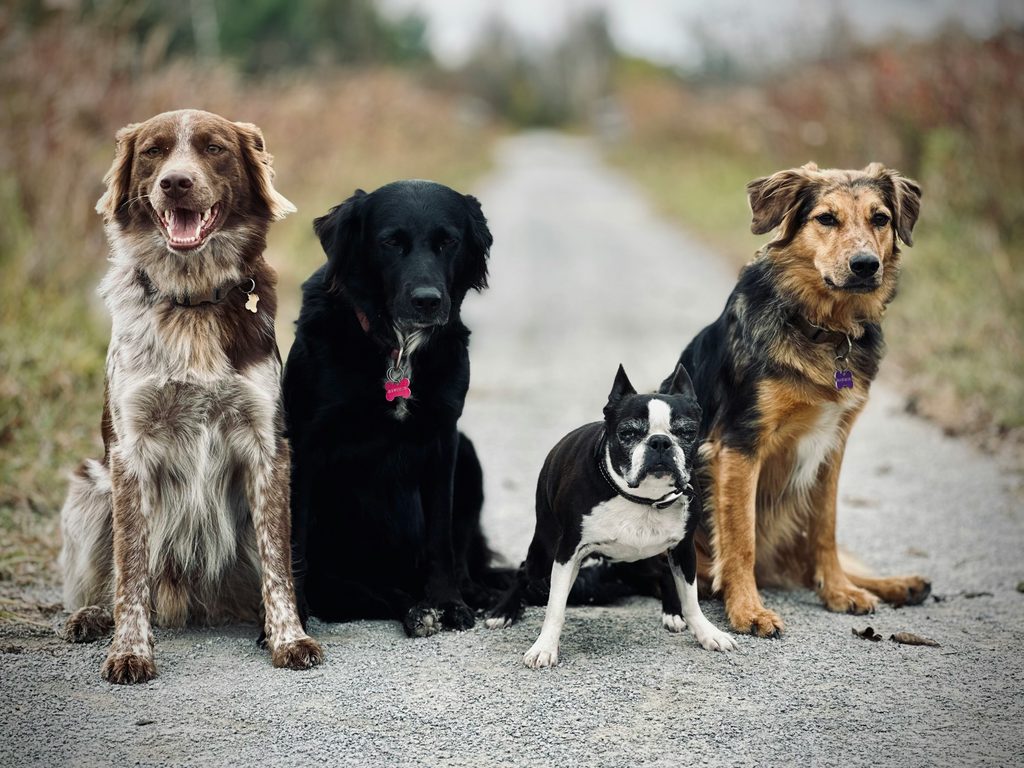
Helping Your Puppy Explore the World With Confidence
Long Island offers plenty of opportunities for puppies to experience new sights, sounds, and environments.
From quiet suburban neighborhoods and family gatherings to parks, beaches, and busy shopping areas, young dogs encounter unfamiliar situations throughout their development.
However, introducing a puppy to too much too quickly can create unnecessary stress.
Successful puppy socialization focuses on positive experiences that help your puppy develop confidence at a comfortable pace.
Understanding how to socialize a puppy without overwhelming them is an important part of responsible puppy training.
Key Takeaways
- Puppy socialization should emphasize positive experiences rather than constant interaction.
- Early socialization is especially valuable during the first three to four months.
- Short, controlled introductions help prevent overstimulation.
- Puppies can benefit from observing unfamiliar people and dogs without greeting them.
- Recognizing stress signals helps owners respond appropriately.
- Veterinary guidance is important when choosing safe environments before vaccinations are complete.
What Puppy Socialization Really Means
Socialization is the process of helping puppies become comfortable with different people, animals, sounds, surfaces, objects, and environments.
Many owners assume that a well-socialized puppy should happily greet everyone.
However, confidence doesn’t require constant interaction.
A puppy who calmly observes another dog from across a park is developing a useful skill.
Likewise, a puppy who hears a lawn mower and remains comfortable is gaining positive experience with an everyday sound.
The goal is to help your puppy learn that unfamiliar situations are manageable.
Why Early Socialization Matters
Puppies experience a sensitive socialization period during their early months, generally extending through approximately 12 to 16 weeks of age.
Positive experiences during this stage can help influence future responses to unfamiliar situations.
However, dogs continue learning throughout life.
Socialization should remain part of a puppy’s routine as they grow into adolescence and adulthood.
How to Socialize a Puppy Without Overwhelming Them
Start With Familiar Surroundings
Your home and other controlled environments are excellent places to begin.
Introduce unfamiliar objects, household sounds, and visitors gradually.
Allow your puppy to investigate at their own pace.
Keep Sessions Short
Young puppies become tired quickly.
Start with a few minutes of positive exposure and adjust based on your puppy’s comfort.
Avoid long outings that introduce multiple unfamiliar experiences at once.
Use Positive Reinforcement
Reward calm behavior with treats, toys, or gentle praise.
For example, if your puppy notices a passing bicycle without becoming frightened, provide a reward.
This can help create a positive association with the experience.
Allow Your Puppy to Choose
Avoid forcing your puppy toward unfamiliar people, animals, or objects.
Some puppies are naturally curious, while others prefer to observe before approaching.
Respecting individual comfort levels supports confidence.
Safe Puppy Socialization Activities
Many valuable socialization experiences can happen before a puppy is fully vaccinated.
Consider:
- Introducing different household surfaces
- Meeting one calm visitor at a time
- Practicing gentle grooming and handling
- Listening to recordings of common noises
- Exploring safe household objects
- Taking short car rides
- Observing distant activity from a safe location
- Meeting suitable, vaccinated dogs in veterinarian-approved settings
Ask your veterinarian about vaccination schedules and local disease risks before visiting public areas.
Recognizing Puppy Stress Signals
Puppies communicate discomfort through body language.
Potential signs include:
- Repeated yawning
- Lip licking
- Tucked tail
- Lowered posture
- Ears pinned back
- Attempting to hide
- Freezing
- Refusing treats
- Panting without an obvious physical cause
These behaviors should be interpreted together with the surrounding circumstances.
If your puppy appears uncomfortable, create additional distance or end the experience.
Introducing People, Dogs, Sounds, and New Places
Meeting New People
Ask visitors to allow your puppy to approach voluntarily.
Avoid overwhelming the puppy with multiple people reaching toward them at once.
Reward comfortable interactions.
Meeting Other Dogs
Choose calm, socially appropriate dogs for early introductions.
One-on-one meetings are generally more manageable than unpredictable group settings.
Observe both dogs’ body language throughout the interaction.
Introducing Outdoor Sounds
Long Island puppies may encounter lawn equipment, traffic, delivery trucks, motorcycles, and seasonal outdoor activity.
Introduce unfamiliar sounds gradually.
Begin at a comfortable distance and reward relaxed behavior.
Exploring Different Environments
Once your veterinarian confirms appropriate exposure, gradually introduce new environments.
Quiet residential streets can provide a starting point before progressing to busier parks or shopping areas.
For example, you might eventually practice calm observation near Eisenhower Park or another suitable outdoor location.
Always follow local rules and choose an environment appropriate for your puppy’s vaccination status and comfort.
Common Puppy Socialization Mistakes
Doing Too Much Too Soon
Crowded events, busy dog parks, and unpredictable environments can overwhelm young puppies.
Start with controlled experiences.
Forcing Interactions
Avoid holding your puppy in place while unfamiliar people or dogs approach.
Allow your puppy to move away when uncomfortable.
Ignoring Vaccination Safety
Public environments frequented by unfamiliar dogs may present disease risks.
Follow veterinary recommendations.
Confusing Exhaustion With Confidence
A puppy who becomes unusually quiet after an overwhelming outing may be exhausted or distressed.
Look for relaxed body language and normal engagement.
Ending Socialization Too Early
Continue providing appropriate positive experiences as your puppy matures.
Puppy Socialization Tips for Long Island Owners
Long Island’s mix of suburban neighborhoods, parks, coastal environments, and busy commercial areas offers opportunities for gradual exposure.
Begin with quiet environments before introducing more stimulating locations.
Seasonal changes also provide new experiences, including different weather conditions, outdoor sounds, and surfaces.
For puppies unfamiliar with beach environments, introduce sand, wind, and water gradually in locations where dogs are permitted.
Avoid forcing your puppy into the water or exposing them to uncomfortable conditions.
The goal is to create positive associations rather than complete a checklist of activities.
When Professional Puppy Training Can Help
Some puppies adjust easily to unfamiliar experiences, while others need additional support.
If your puppy consistently freezes, hides, growls, or becomes distressed during mild exposure, consider seeking professional guidance.
A qualified trainer can help establish a gradual plan that addresses your puppy’s individual needs.
Early obedience training can also help build leash manners, attention skills, and consistent communication.
Final Thoughts
Puppy socialization is one of the most valuable investments you can make in your dog’s early development.
However, successful socialization doesn’t require constant exposure to unfamiliar situations.
Short, positive experiences, appropriate distance, and attention to body language can help your puppy develop confidence over time.
For puppy socialization and obedience training on Long Island, contact Off Leash K9 Training.
Phone: 516-283-2006
Email: [email protected]
Frequently Asked Questions
What is the best age to begin puppy socialization?
Puppies benefit from appropriate positive experiences early in life, especially during their first three to four months.
Can I socialize my puppy before vaccinations are complete?
Yes, through carefully selected low-risk experiences. Consult your veterinarian before public outings.
Should I take my puppy to a dog park?
Crowded, unpredictable dog parks are generally not ideal for early socialization. Controlled introductions are preferable.
How long should puppy socialization sessions last?
Begin with short sessions and adjust according to your puppy’s energy, comfort, and behavior.
Can puppy training help build confidence?
Appropriately paced training can support confidence, communication, and useful obedience skills.