
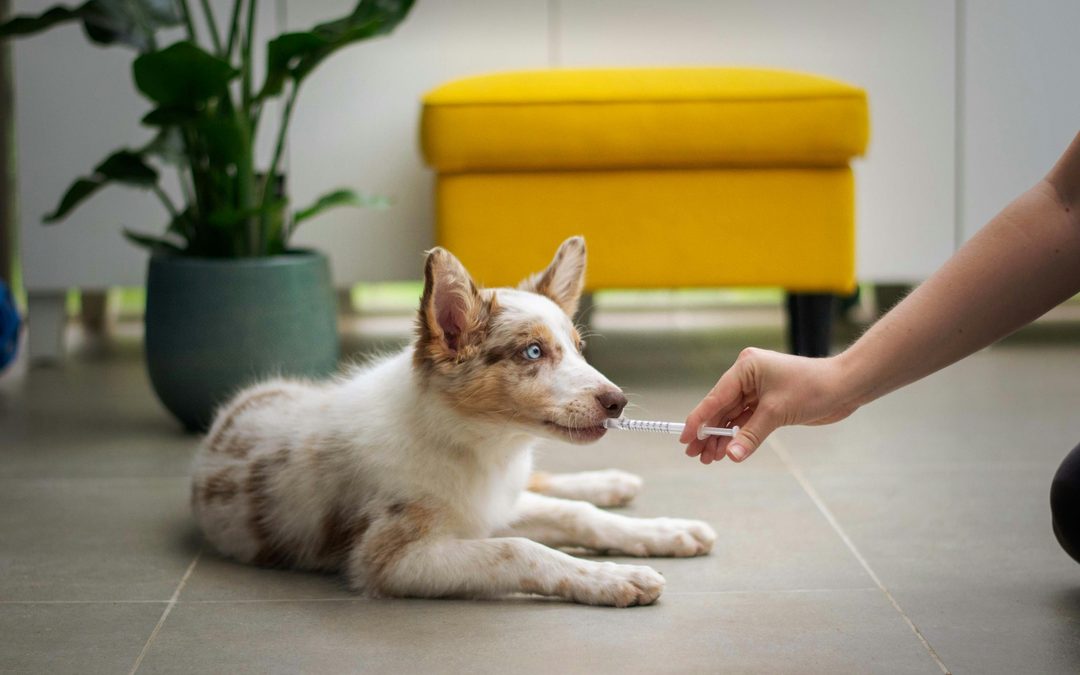
Nail Trims Without Fear: A Dog Owner’s Guide
Why Nail Trimming Becomes a Battle
For some dogs, the sight of nail clippers is enough to send them running.
Others allow their paws to be touched but become frightened the moment someone holds a toe or attempts to trim a nail.
This can be stressful for everyone involved.
Long Island dog owners may find themselves postponing grooming appointments or struggling to maintain their dog’s nails at home.
Cooperative care training offers a more gradual approach.
Instead of expecting a dog to tolerate restraint, owners teach voluntary participation through small, rewarding exercises.
Although nail trimming is a useful example, these techniques can also help with brushing, ear cleaning, dental care, and veterinary examinations.
What Is Cooperative Care?
Cooperative care teaches dogs to participate in routine care using predictable cues, rewards, and opportunities to take breaks.
A dog might learn to place its chin on an owner’s hand before a paw is touched.
If the dog lifts its chin, the handling pauses during training.
This gives the dog a way to communicate discomfort.
The goal is to build cooperation rather than rely on force.
Why Dogs Fear Nail Trims
Several factors may contribute.
Sensitive Paws
Some dogs dislike having their paws touched or restrained.
Previous Pain
A nail trimmed too short can cause pain and bleeding.
One frightening experience may influence future reactions.
Unfamiliar Equipment
Clippers and nail grinders may look, sound, or feel unusual.
Loss of Control
Being held in place can be distressing for dogs who are uncomfortable with restraint.
Underlying Medical Issues
Joint pain, injuries, or other physical conditions may make paw handling uncomfortable.
If your dog suddenly resists previously tolerated handling, consult your veterinarian.
The First Step: Forget About Trimming
Before attempting another nail trim, spend time building comfortable associations with paw handling.
Choose a quiet room.
Have small treats ready.
Touch your dog’s shoulder briefly.
Reward.
Gradually work down the leg.
Only progress toward the paw when your dog remains comfortable.
You may need several sessions before touching individual toes.
That’s fine.
The objective is confidence, not speed.
Teaching Your Dog to Offer a Paw
Some dogs enjoy learning to voluntarily place a paw in an owner’s hand.
Begin by rewarding small paw movements.
Gradually shape the dog lifting a paw toward your hand.
Reward brief contact.
Then work toward a moment of comfortable holding.
Don’t grip tightly or prevent the dog from withdrawing.
A voluntary paw offer can become a useful part of a grooming routine.
Introducing Nail Clippers
Once paw handling is comfortable, begin introducing the tool.
Stage One: Seeing the Clippers
Place the clippers nearby.
Reward your dog for calmly noticing them.
Stage Two: Moving the Clippers
Pick them up and move them slightly.
Reward calm behavior.
Stage Three: Approaching the Paw
Bring the closed clippers toward the paw without touching.
Reward.
Stage Four: Touching the Nail
Briefly touch the closed clippers to a nail.
Reward and stop.
Stage Five: Trimming
When your dog is comfortable and you understand safe technique, attempt a small trim.
For some dogs, one nail is enough for the session.
Avoid cutting into the quick, which contains blood vessels and nerves.
If you’re uncertain, ask a veterinarian or qualified groomer to demonstrate.
What About Nail Grinders?
Some dogs prefer grinders, while others dislike the noise or vibration.
Introduce the grinder while it’s turned off.
Reward your dog for investigating.
Next, switch it on at a comfortable distance.
Pair the sound with treats.
Gradually bring it closer over multiple sessions.
Avoid holding a frightened dog in place while the grinder runs.
The Chin-Rest Method
A chin rest is another useful cooperative care behavior.
Teach your dog to voluntarily rest its chin on your palm or a stable surface.
Begin by rewarding brief contact.
Gradually increase the duration.
Once the behavior is reliable, introduce gentle paw handling while the chin remains in place.
If your dog lifts its chin, pause.
This creates a clear communication system.
Why Short Sessions Work Better
Long sessions can become frustrating.
A dog who tolerates two seconds of paw handling may not be ready for two minutes.
Start with brief, successful repetitions.
You might practice touching one paw, offering a treat, and ending the session.
Gradually increase difficulty based on comfort.
The goal is to leave your dog willing to participate again.
Using Cooperative Care for Other Grooming Tasks
Brushing
Introduce the brush gradually and reward comfortable contact.
Ear Checks
Begin with touching near the ear before gently lifting the ear flap.
Dental Care
Practice touching the muzzle and briefly lifting the lip before introducing a dog-safe toothbrush.
Bathing
Reward approaching the bathing area and becoming comfortable with the surface, sounds, and water before attempting a full bath.
For dogs with significant fear, seek professional guidance.
Preparing for Veterinary Appointments
Cooperative care isn’t limited to home grooming.
Practice standing on a mat, allowing brief body touches, and stepping onto a stable scale.
Ask your Long Island veterinarian whether nonmedical happy visits are available.
These may allow your dog to experience the clinic without immediately undergoing an examination.
Keep early visits short and positive.
Cooperative Care for Different Dogs
Puppies
Introduce gentle handling early using brief, rewarding exercises.
Adult Dogs
Build new skills gradually, especially if the dog has little previous handling experience.
Senior Dogs
Consider arthritis, reduced mobility, and other age-related concerns.
Fearful or Reactive Dogs
Work with qualified professionals when handling involves severe fear, growling, snapping, or biting.
When Your Dog Needs Immediate Nail Care
Sometimes nails become overgrown, painful, or injured before training is complete.
Don’t delay necessary care.
Consult your veterinarian about safe trimming options.
Professional handling, medication, or sedation may be appropriate in certain situations.
Common Mistakes to Avoid
Forcing the Paw Into Position
This can increase fear and resistance.
Moving Too Quickly
Progress only when your dog is comfortable with the current step.
Ignoring Warning Signals
Pulling away, freezing, growling, or snapping indicate that the situation needs adjustment.
Expecting Immediate Results
A dog with a history of frightening nail trims may need extended practice.
Professional Dog Training on Long Island
Off Leash K9 Training Long Island helps owners build obedience and stronger communication with their dogs.
Cooperative care exercises can complement everyday training and support more comfortable handling routines.
Phone: 516-283-2006
Email: [email protected]
Frequently Asked Questions
Can dogs learn to enjoy nail trims?
Some dogs become comfortable with nail care through gradual training, although individual responses vary.
How often should I practice paw handling?
Brief, regular sessions can be helpful. Adjust the frequency to your dog’s comfort.
Is it okay to trim one nail at a time?
Yes. Small, successful sessions may be appropriate during training.
Can cooperative care help dogs with grooming anxiety?
It may help, but severe fear or aggression often requires professional support.
Should I use a muzzle for nail trims?
A properly conditioned basket muzzle may be appropriate when bite risks exist, but fitting and handling should be discussed with qualified professionals.