
Better Manners Can Start With a Game
Your dog races toward the backyard door the moment you reach for the handle.
They grab treats before you can offer them and leap excitedly when family members come home.
These behaviors may be frustrating, but they also provide opportunities to teach patience.
Impulse control games for dogs turn everyday situations into manageable training exercises.
Instead of expecting your dog to instinctively wait, you teach them how.
For Long Island owners, these games are easy to incorporate into backyard play, family routines, neighborhood walks, and ordinary mealtimes.
What Is Impulse Control Training?
Impulse control training teaches dogs to pause before acting on an immediate desire.
A dog might learn to wait before chasing a ball, remain calm when a bowl appears, or respond to a release cue before crossing a doorway.
The goal is not to eliminate excitement.
It’s to teach useful behaviors that can coexist with enthusiasm.
Dogs develop these skills through repeated, appropriate practice.
Why Teaching Patience Matters
Impulse control exercises can support:
- Better leash manners
- Calmer greetings
- Safer doorway behavior
- Improved attention
- More manageable mealtimes
- Appropriate toy exchanges
- Greater consistency with obedience cues
These benefits depend on practicing the relevant skills.
Waiting for a treat doesn’t automatically mean a dog will ignore wildlife or other animals.
Ten Games for Long Island Dogs
1. Backyard Door Wait
With your dog securely controlled, approach the backyard door.
Ask for a brief wait.
Open the door slightly and reward remaining still.
Gradually increase the opening.
Release your dog when appropriate.
Always verify that the outdoor area is secure.
2. Hand Zen
Hold a treat inside your fist.
Reward your dog for backing away rather than grabbing.
Progress to an open hand once the first stage becomes easy.
3. Slow-Motion Treat
Lower a treat slowly toward your dog.
Pause when they jump.
Continue when they remain still.
This encourages patience around food.
4. Floor Leave-It
Cover a treat on the floor.
Reward your dog for looking away.
Gradually uncover it and introduce the cue “leave it.”
Use only safe practice items.
5. Dinner Time Wait
Ask for a short pause before setting down the food bowl.
Release your dog to eat.
Keep the exercise easy and positive.
If your dog guards food, avoid this game and seek professional guidance.
6. Fetch With a Release Cue
Ask your dog to pause briefly before throwing a toy.
Release them to retrieve it.
Reward returning and releasing the toy.
Use a safe playing area and avoid excessive high-impact activity.
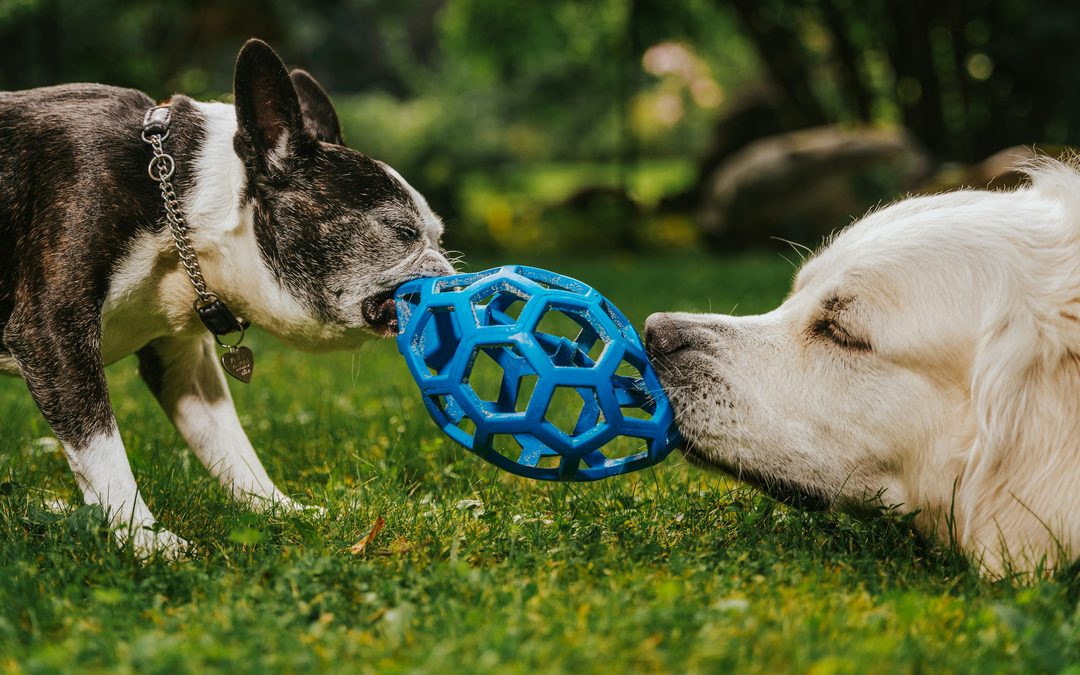
7. Tug-and-Drop
Play tug briefly.
Cue a trained “drop.”
Restart the game as a reward for releasing.
If your dog struggles, practice toy trades separately.
8. Family Hide-and-Seek
Have one family member ask the dog to wait while another hides nearby.
Call the dog and reward finding the person.
Begin indoors or in a secure yard.
9. The Visitor Greeting Challenge
Practice with a familiar person.
Reward your dog for keeping four paws on the floor.
Pause the greeting if jumping begins.
Gradually introduce more excitement as your dog improves.
10. Relax on Your Mat
Teach your dog to move onto a designated mat.
Reward calm lying down.
Gradually increase the duration and introduce mild household activity.
This can be useful during family gatherings.
Matching Games to Common Problems
| Behavior | Helpful game |
|---|---|
| Rushing outside | Backyard Door Wait |
| Grabbing treats | Hand Zen |
| Snatching dropped food | Floor Leave-It |
| Overexcited fetch | Fetch With a Release Cue |
| Jumping on family | Visitor Greeting Challenge |
| Difficulty relaxing | Relax on Your Mat |
Making Training Part of Family Life
Consistency matters when multiple people interact with the dog.
Choose a shared release cue.
Agree on greeting expectations.
Reward the same behaviors across household members.
For example, if one person encourages jumping while another discourages it, your dog may struggle to understand the rule.
Short, predictable practice opportunities are often easier to maintain than occasional lengthy sessions.
Training in the Backyard
A secure backyard can be an excellent place to introduce mild distractions.
Begin with simple exercises when the yard is quiet.
Gradually add a family member walking past or a toy placed nearby.
If your dog becomes distracted by wildlife or neighboring dogs, increase distance and simplify the exercise.
Do not assume a fence eliminates all safety concerns.
Practicing Beyond Home
Once your dog succeeds at home, practice in other environments.
Begin with quiet neighborhood walks.
Later, introduce controlled activity near suitable public spaces such as Eisenhower Park.
Keep your dog at a comfortable distance from unfamiliar animals.
The goal is gradual learning rather than forcing close encounters.
How Often Should You Play These Games?
Several brief sessions throughout the week can be effective.
Young puppies may benefit from particularly short activities.
Adult dogs may tolerate slightly longer sessions, depending on their engagement.
End before your dog becomes frustrated or exhausted.
You can also reinforce skills during daily routines without scheduling a formal session.
Troubleshooting Common Problems
My Dog Won’t Wait
Reduce the waiting period to a second or less.
Reward success and build gradually.
My Dog Grabs the Toy
Practice a separate toy trade using something your dog values.
Avoid chasing or forcibly removing the toy.
My Dog Gets Frustrated
Choose an easier version of the game.
Waiting should develop through successful repetitions.
My Dog Listens Only at Home
Practice in several manageable environments.
Dogs need opportunities to generalize their skills.
Important Safety Considerations
Do not use food-bowl exercises with dogs who show guarding behavior.
Avoid high-impact chasing games for puppies or dogs with orthopedic concerns.
Keep dogs securely controlled around roads, open doors, and unfamiliar animals.
Impulse control games complement training but do not replace treatment for serious fear or aggression.
When Professional Training Can Help
If your dog struggles with jumping, leash pulling, door rushing, or inconsistent obedience, a professional trainer can help establish a structured plan.
Individualized guidance is particularly important when behaviors involve safety concerns.
Final Thoughts
Teaching patience doesn’t have to be complicated.
With a few treats, favorite toys, and consistent practice, everyday games can become opportunities to improve obedience.
For puppy training and dog obedience on Long Island, contact Off Leash K9 Training.
Phone: 516-283-2006
Email: [email protected]
Frequently Asked Questions
What is the easiest impulse control game?
Hand Zen is a simple starting point because it requires only treats and a quiet environment.
Can impulse control games help puppies?
Yes. Use short, age-appropriate sessions and easy exercises.
Do I need a backyard?
No. Most games can be practiced indoors.
Can these exercises improve recall?
Games such as hide-and-seek can reinforce recall, although reliable responses outdoors require additional practice.
What if my dog becomes frustrated?
Make the exercise easier, shorten waiting periods, and reward smaller successes.