
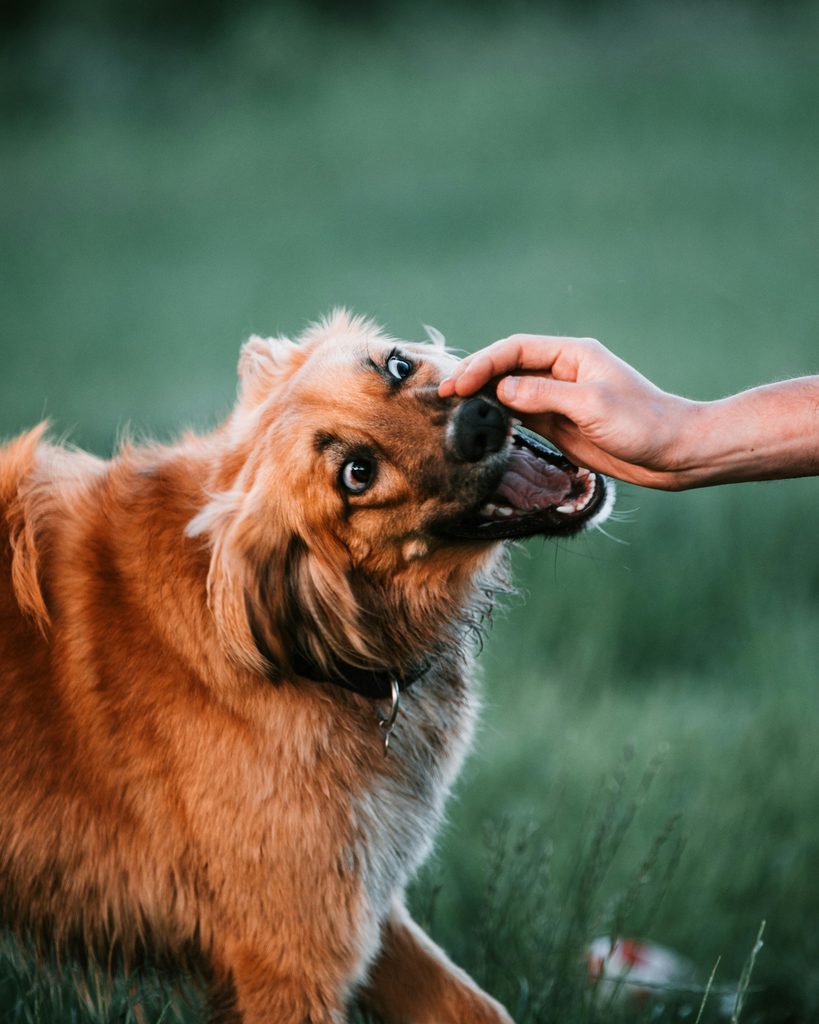
Why Your Dog May React After a Busy Day
Have you ever noticed that your dog becomes more reactive after an unusually busy day?
Perhaps the morning included a grooming appointment, followed by visitors at home and an encounter with an unfamiliar dog during an afternoon walk.
Later, something as ordinary as a passing bicycle causes barking or lunging.
This may be an example of trigger stacking in dogs.
Trigger stacking occurs when multiple stressful or highly stimulating experiences accumulate before a dog has enough time to recover.
For Long Island dog owners, understanding this concept can help explain inconsistent behavior and improve everyday training decisions.
Key Takeaways
- Trigger stacking describes the accumulation of several challenging experiences.
- Dogs may react more intensely when they haven’t recovered from earlier stressors.
- Early warning signs include body tension, avoidance, pacing, and changes in attention.
- Predictable routines and recovery time can help reduce unnecessary stress.
- Gradual behavior training can improve responses to specific triggers.
- Persistent or escalating reactivity requires individualized professional guidance.
What Is Trigger Stacking in Dogs?
Understanding the Concept
Trigger stacking happens when a dog encounters several stressful situations close together.
Each event may be manageable individually.
However, when challenges accumulate without sufficient recovery, a dog’s ability to cope may decrease.
The final trigger can produce a reaction that seems disproportionate.
The Stress Bucket Analogy
Imagine your dog’s tolerance for stress as a bucket.
Each challenging experience adds water.
A noisy truck might add a little.
An uncomfortable encounter with another dog might add much more.
Rest and recovery help reduce the level.
When the bucket becomes too full, your dog may bark, lunge, freeze, or attempt to retreat.
The analogy helps explain accumulated stress, although every dog’s response is more complex than a single measurement.
Common Triggers for Long Island Dogs
Potential triggers include:
- Unfamiliar dogs during neighborhood walks
- Lawn equipment and construction noise
- Busy parks
- Family gatherings
- Veterinary visits
- Grooming appointments
- Thunderstorms and fireworks
- Changes in household routines
- Pain, fatigue, or illness
Highly exciting experiences can also contribute to accumulated arousal.
A dog who has spent several hours playing with visitors may have less tolerance for additional stimulation later.
How Stress Accumulation Affects Behavior
Stressful experiences activate physiological responses that influence attention, movement, and emotional reactions.
When multiple challenges occur before recovery, dogs may become more reactive.
For example, a dog might calmly pass another dog on a quiet morning but react intensely after a busy afternoon.
However, trigger stacking should not be assumed to explain every sudden reaction.
Physical discomfort, frustration, and previous learning may also contribute.
Recognizing Early Warning Signs
Subtle Stress Signals
Watch for:
- Repeated lip licking
- Yawning
- Turning away
- Panting unrelated to exercise
- Pacing
- Stiff posture
- Lowered body position
- Attempts to hide or retreat
These behaviors have multiple possible meanings.
Look for changes from your dog’s normal behavior and consider the surrounding circumstances.
Escalating Behavior
As a dog becomes overwhelmed, they may struggle to disengage from distractions.
Some dogs begin barking, growling, or lunging.
Others freeze or become unusually withdrawn.
These behaviors indicate that the situation may require immediate adjustment.
Preventing Trigger Stacking During Long Island Activities
Choose Quieter Walking Routes
Busy parks and neighborhood gathering areas can create multiple distractions.
If your dog struggles with unfamiliar animals, begin in quieter locations.
For example, a dog sensitive to other dogs may benefit from practicing at a comfortable distance from activity near Eisenhower Park rather than walking directly into crowded areas.
Space Out Challenging Activities
Avoid scheduling several difficult experiences close together.
A stressful grooming appointment followed by a crowded family gathering may be too much for some dogs.
Provide Quiet Recovery Time
Allow your dog to rest after challenging outings.
Provide a comfortable area where they can relax without interruption.
Maintain Consistent Routines
Predictable meals, sleep, appropriate exercise, and regular training can help support stability.
Training Techniques for Managing Trigger Stacking
Desensitization
Gradually introduce a trigger at an intensity your dog can comfortably tolerate.
For example, a dog who reacts to bicycles may begin by observing one from a considerable distance.
Counterconditioning
Pair manageable exposure to a trigger with something positive.
Over time, this can help change the dog’s emotional response.
Focus and Engagement
Teach your dog to respond to their name, turn toward you, or follow a practiced direction change.
Begin in quiet environments before introducing distractions.
Reinforcing Calm Behavior
Reward relaxed behavior and voluntary disengagement.
Avoid repeatedly pushing your dog into situations that produce intense reactions.
Management Versus Training
Management helps reduce immediate exposure to challenging situations.
Training works toward changing responses over time.
Examples of management include choosing quieter routes and avoiding forced greetings.
Examples of training include gradual exposure, counterconditioning, and attention exercises.
Combining both approaches provides a more comprehensive strategy.
Common Challenges Long Island Owners Face
Inconsistent Reactions
A dog may respond differently to the same trigger depending on earlier experiences.
Keep a simple behavior journal to identify possible patterns.
Family Gatherings
Visitors, children, and increased household activity can be overwhelming for some dogs.
Provide a quiet resting area and supervise interactions.
Seasonal Noise
Thunderstorms, fireworks, and outdoor equipment can create additional challenges.
Plan ahead when possible and provide a comfortable environment.
Different Household Expectations
Make sure family members follow consistent approaches to walks, greetings, and recovery.
When Professional Dog Training Can Help
If your dog regularly becomes overwhelmed, reacts aggressively, or struggles to recover after ordinary experiences, professional guidance is appropriate.
A qualified trainer can help identify triggers and develop a structured behavior plan.
Sudden changes in behavior should also be discussed with a veterinarian.
Final Thoughts
Trigger stacking helps explain why a dog may struggle with an experience they usually tolerate.
By recognizing early stress signals, adjusting daily routines, and practicing appropriate training exercises, owners can help reduce unnecessary stress.
For reactive dog training and obedience guidance on Long Island, contact Off Leash K9 Training.
Phone: 516-283-2006
Email: [email protected]
Frequently Asked Questions
What causes trigger stacking in dogs?
Multiple stressful or highly stimulating experiences occurring before sufficient recovery can contribute to trigger stacking.
Can trigger stacking happen at home?
Yes. Visitors, household noise, grooming, and changes in routine may contribute.
How do I know if my dog is overwhelmed?
Look for repeated avoidance, stiffness, pacing, difficulty settling, or escalating reactions.
Can training reduce trigger stacking?
Appropriate training can improve responses to specific triggers, while management and recovery help reduce accumulated stress.
When should I seek professional help?
Seek guidance when reactivity becomes frequent, escalates, or creates safety concerns.