
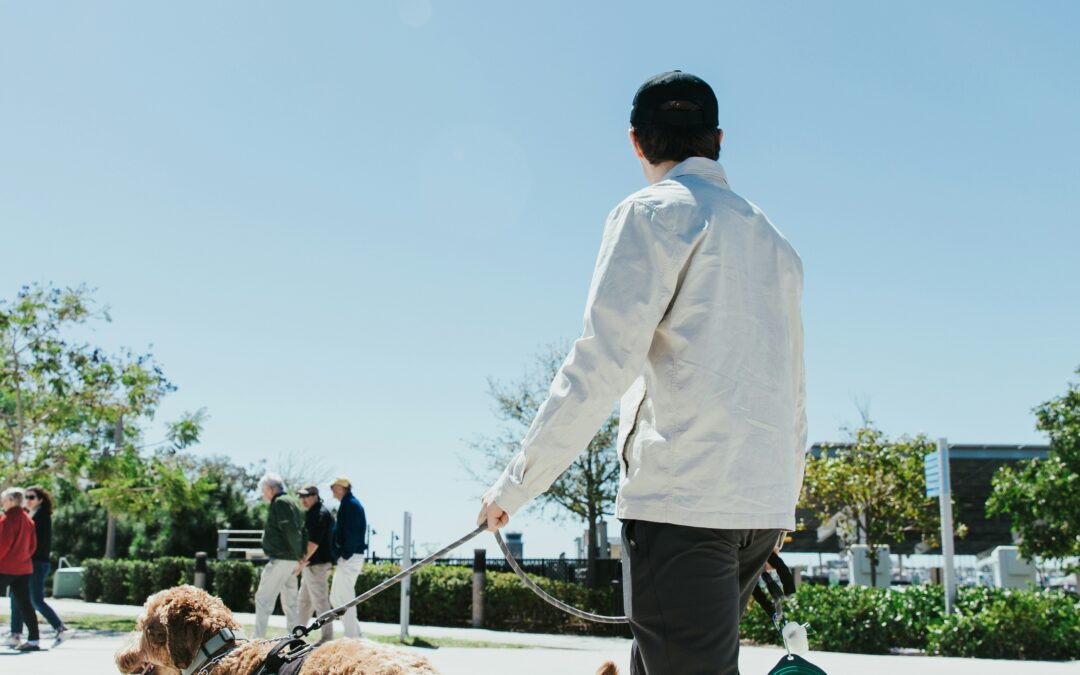
One of the most confusing experiences for dog owners is when a walk seems to be going fine—until it suddenly isn’t.
Your dog was doing okay… maybe even calm. Then, out of nowhere, they explode:
- Barking
- Lunging
- Pulling
- Fixating
- Seemingly “losing it” over something small
It can feel random. Unpredictable. Like your dog just flipped a switch.
But in many cases, it’s not random at all.
It’s the result of something called trigger stacking.

What Is Trigger Stacking?
Trigger stacking is what happens when a dog experiences multiple stressors in a short period of time without fully recovering between them.
Each individual trigger might be manageable on its own—but together, they build up emotional pressure.
Think of it like filling a cup:
- Each stressor adds a little water
- Eventually, the cup overflows
- The reaction you see is the overflow, not the first drop
That “overflow moment” is what many owners experience as sudden reactivity.
What Counts as a “Trigger”?
Triggers aren’t always obvious.
On walks, triggers can include:
- Seeing another dog
- Passing a stranger
- Loud noises
- Bikes or cars
- Children running
- Barking dogs behind fences
- Tight leash pressure
- Being rushed or pulled along
- Even confusing or chaotic environments
Individually, your dog may handle each of these fine.
But when they happen repeatedly in a short time frame, stress begins to accumulate.
Why Dogs Don’t Always “Reset” on Walks
Unlike humans, dogs don’t always process stress in neat emotional cycles.
A stressful moment doesn’t always fully disappear just because the trigger is gone.
Instead, your dog may still carry:
- Elevated heart rate
- Increased vigilance
- Emotional tension
- Heightened sensitivity
So when the next trigger appears, they are already closer to their threshold.
This is where stacking begins.
The “Threshold” Effect
Every dog has a stress threshold—the point where they can no longer calmly process their environment.
Below threshold:
- Dog can think clearly
- Dog can respond to cues
- Dog can disengage from triggers
Above threshold:
- Dog reacts emotionally
- Thinking becomes difficult
- Training becomes less effective
Trigger stacking pushes dogs closer and closer to that threshold until even a small event can push them over it.
Why the “Last Straw” Isn’t the Real Cause
Many owners identify the final trigger and assume that’s what caused the reaction.
For example:
- “My dog was fine until that one dog walked by.”
But often, that final dog wasn’t the problem—it was just the last piece in a chain.
Earlier in the walk, the dog may have already experienced:
- A stressful leash encounter
- A loud sound
- A close pass by a stranger
- Multiple moments of tension
By the time the final trigger appears, the dog is already overloaded.
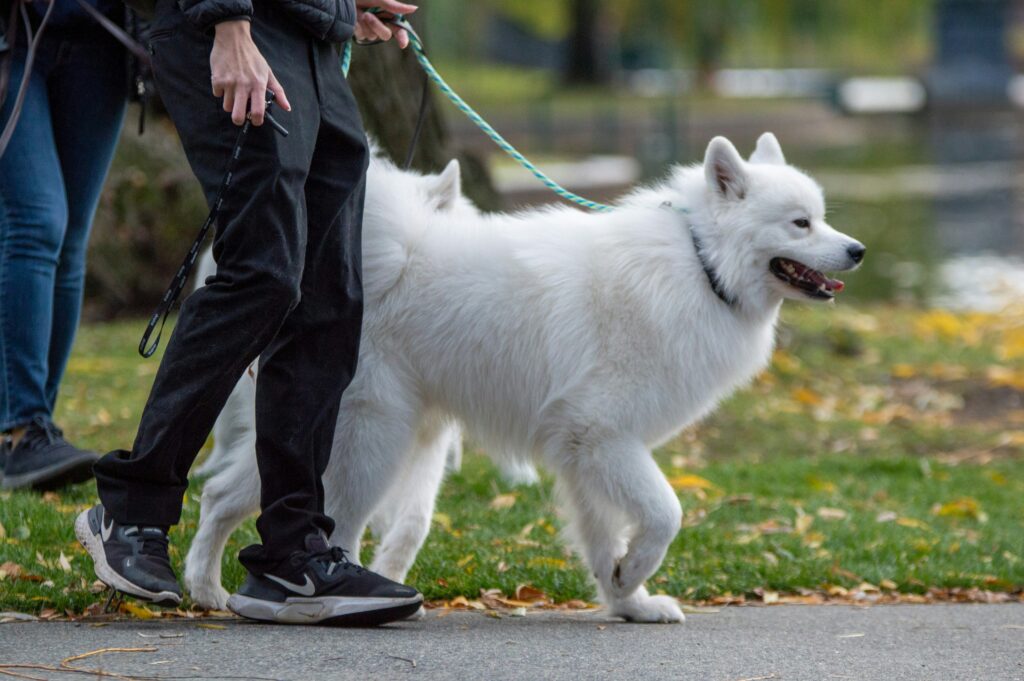
Signs Your Dog Is Experiencing Trigger Stacking
Not all dogs show obvious stress between triggers. Some signs are subtle but important.
Look for:
Increased Vigilance
- Constant scanning
- Difficulty focusing on handler
- Watching the environment intensely
Reduced Recovery Time
- Takes longer to calm down after a trigger
- Stays “on edge” between encounters
Escalating Reactions
- Each reaction becomes more intense as the walk continues
Sudden Outbursts
- Reactivity appears “out of nowhere” after a period of buildup
Decreased Tolerance
- Triggers that were previously manageable now cause reactions
Why Walks Are Perfect for Trigger Stacking
Walks are full of:
- Constant movement
- Unpredictable encounters
- Environmental changes
- Sensory input overload
Even a short walk can include multiple stressors in quick succession.
For dogs that are sensitive, anxious, or already reactive, this environment can fill their stress cup quickly.
Overstimulation vs. Reactivity
Trigger stacking often leads to overstimulation, which is slightly different from simple reactivity.
- Reactivity: emotional response to a trigger
- Overstimulation: cumulative emotional overload
An overstimulated dog may:
- Struggle to focus
- React more easily
- Appear “wired” or frantic
- Have difficulty settling even after the walk ends
Over time, overstimulation increases the likelihood of reactive episodes.
Why Some Dogs Stack Stress Faster Than Others
Not all dogs experience trigger stacking at the same rate.
Factors include:
- Sensitivity level
- Genetics
- Previous experiences
- Training foundation
- Sleep and recovery quality
- Overall stress in daily life
Some dogs can handle many small stressors. Others reach threshold quickly.
The Role of Recovery Time
Recovery time is what allows a dog to reset between stressors.
Without recovery:
- Stress accumulates
- Threshold lowers
- Reactivity increases
Recovery can happen through:
- Distance from triggers
- Calm environments
- Sniffing and decompression
- Breaks during walks
Without these, stacking becomes much more likely.
Why Reactivity Can Look “Inconsistent”
Trigger stacking explains why some walks are worse than others.
Your dog might be:
- Fine one day
- Reactive the next
This isn’t random.
It often depends on:
- How many stressors occurred earlier
- How much rest your dog had
- Environmental intensity
- Previous emotional load
A “bad walk” is often the result of buildup, not coincidence.
How to Prevent Trigger Stacking
The goal isn’t to eliminate all stress—that’s unrealistic—but to manage it effectively.
1. Create Space Early
Distance helps prevent stress accumulation before it starts.
2. Build in Recovery Moments
Allow your dog time to:
- Sniff
- Decompress
- Walk without pressure
3. Avoid Back-to-Back Triggers
If your dog reacts, give them time to settle before continuing exposure.
4. Watch Early Stress Signals
Intervening early prevents escalation later in the walk.
5. Shorten Walks When Needed
A shorter, successful walk is more valuable than a long, overwhelming one.
What Progress Looks Like
As trigger stacking improves, you may notice:
- Fewer sudden explosions
- More consistent behavior across the walk
- Faster recovery after triggers
- Increased ability to remain calm in busy environments
- More predictable responses
These improvements show your dog is handling emotional load more effectively.
Final Thoughts
Trigger stacking helps explain why reactive behavior can feel unpredictable—but is often actually the result of accumulated stress.
Your dog isn’t reacting to “nothing.”
They’re reacting to everything that came before.
When we start managing stress buildup instead of only reacting to the final behavior, we begin to see real change in how dogs handle the world around them.
And that’s where calmer, more enjoyable walks begin to take shape.