
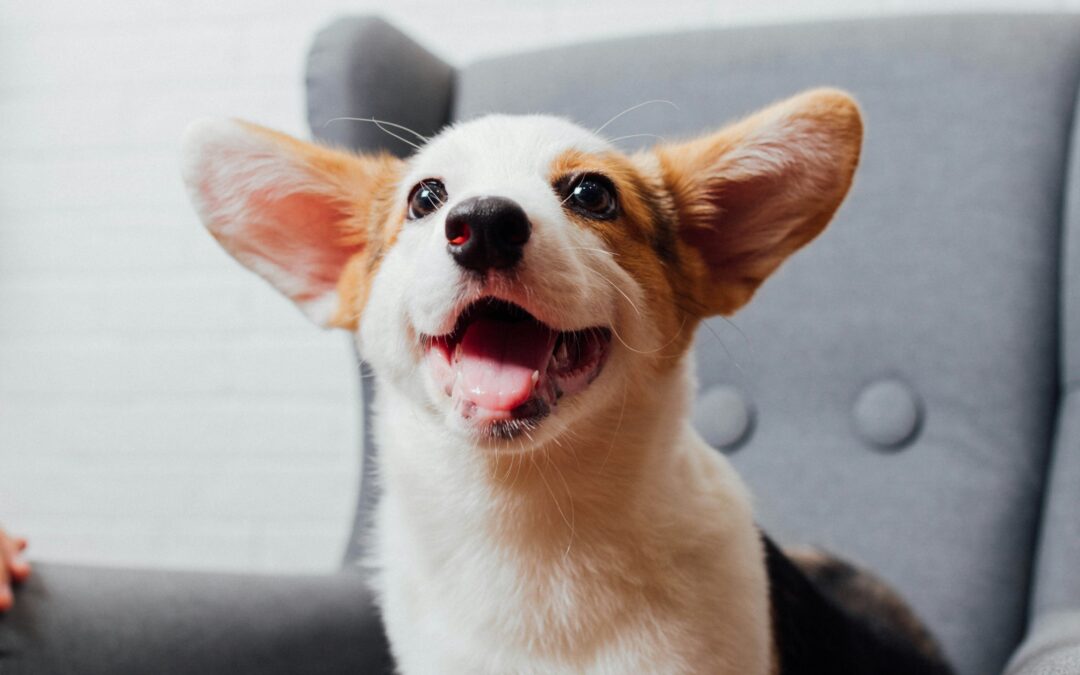
When bringing home a new puppy, many owners have the same goal: they want a dog that listens, behaves well, and is enjoyable to have as part of the family.
The question is: what is the best way to teach those behaviors?
Dog training has evolved significantly over the years, and today, many professional trainers focus on a method called positive reinforcement training.
Positive reinforcement is based on a simple concept:
When a dog does something we like, we reward it so they are more likely to repeat that behavior in the future.
This approach helps puppies understand what is expected of them while building confidence, trust, and a stronger relationship between the dog and owner.
Training isn’t just about stopping unwanted behaviors. It’s about teaching puppies what they should do instead.
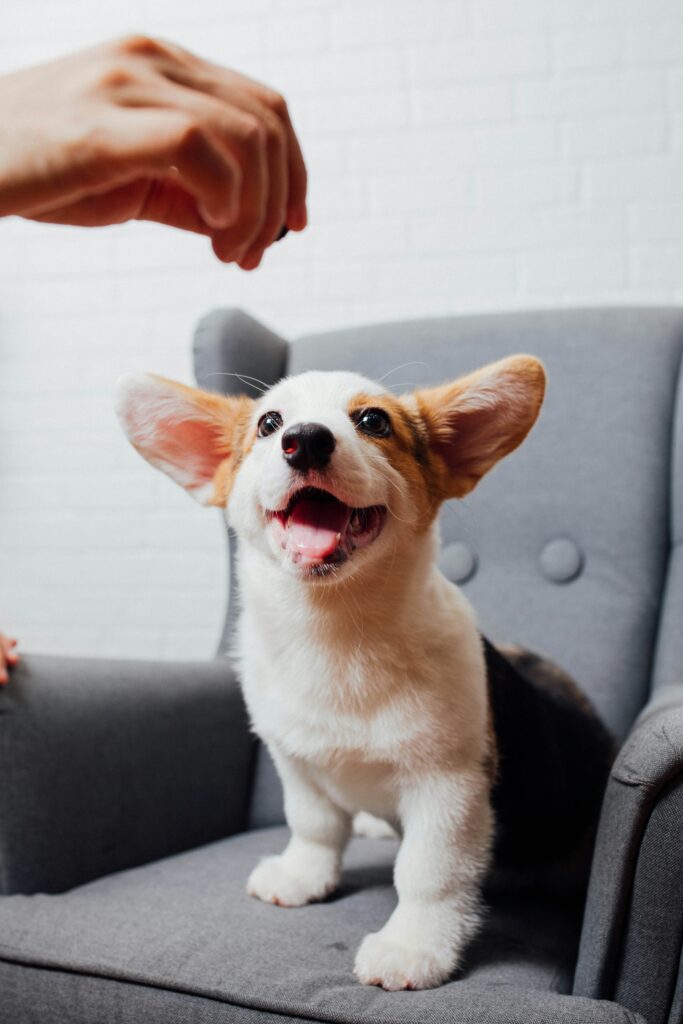
What Is Positive Reinforcement Training?
Positive reinforcement means adding something desirable after a behavior to increase the likelihood that the behavior will happen again.
For dogs, rewards may include:
- Treats
- Praise
- Toys
- Play
- Attention
- Access to something they enjoy
For example:
Your puppy sits calmly instead of jumping.
You reward that calm behavior.
Your puppy learns:
“When I sit politely, good things happen.”
Over time, the puppy begins offering that behavior more often because it has been consistently reinforced.
Why Puppies Learn Better Through Rewards
Puppies are naturally motivated to explore and learn.
They are constantly asking:
- What works?
- What gets me attention?
- What earns rewards?
- What happens when I try this?
Positive reinforcement takes advantage of that natural curiosity.
Instead of simply telling puppies what not to do, it teaches them what behaviors lead to success.
This creates clearer communication.
Puppies Need to Understand What You Want
One of the biggest challenges puppies face is that they don’t automatically understand human expectations.
A puppy doesn’t know:
- Jumping on guests is considered rude.
- Pulling on a leash is frustrating.
- Chewing shoes is different from chewing toys.
They are simply behaving in ways that feel natural to them.
Positive reinforcement helps bridge that communication gap.
Instead of only saying:
“Don’t do that.”
You teach:
“Here’s what I would like you to do instead.”
Rewards Create Motivation
Learning happens best when a dog is motivated.
Think about how people learn.
Most of us are more likely to repeat behaviors when we experience success, encouragement, or positive outcomes.
Dogs are the same.
When puppies understand that training leads to something enjoyable, they become more willing participants.
Training becomes a conversation rather than a battle.
Positive Reinforcement Builds Confidence
Confidence is one of the most important qualities a dog can develop.
Puppies who are encouraged during training learn:
- Trying new things is rewarding.
- Mistakes are part of learning.
- Working with humans is enjoyable.
This confidence helps puppies handle:
- New environments
- Distractions
- Training challenges
- Everyday life experiences
A confident dog is often more adaptable and resilient.
It Strengthens the Human-Dog Relationship
Training should strengthen your relationship—not create fear or confusion.
Positive reinforcement creates a partnership based on:
- Trust
- Communication
- Cooperation
- Understanding
Your puppy learns that interacting with you leads to good things.
This encourages them to:
- Pay attention to you
- Check in with you
- Enjoy training
- Look to you for guidance
A strong relationship makes every aspect of dog ownership easier.
Positive Reinforcement Does Not Mean “No Rules”
A common misconception is that reward-based training means dogs can do whatever they want.
That isn’t true.
Positive reinforcement training still includes:
- Boundaries
- Expectations
- Structure
- Consistency
The difference is that instead of focusing primarily on correcting mistakes, the focus is on teaching and rewarding the behaviors you want.
A puppy can absolutely learn manners while still experiencing encouragement and positive guidance.
Teaching Puppies What to Do Instead
One of the most effective parts of positive reinforcement is replacing unwanted behaviors with appropriate alternatives.
For example:
Instead of:
Jumping on people
Teach:
Sit politely for attention
Instead of:
Barking for attention
Teach:
Quiet behavior earns interaction
Instead of:
Pulling on the leash
Teach:
Walking beside you earns movement forward
Dogs are much more successful when they understand the behavior that will earn them what they want.
Timing Is Everything
A major part of successful positive reinforcement training is timing.
Dogs learn from immediate consequences.
If your puppy sits and you reward them several seconds later, they may not understand exactly what earned the reward.
The closer the reward happens to the desired behavior, the clearer the communication becomes.
Good timing helps puppies make connections quickly.
Consistency Helps Puppies Succeed
Positive reinforcement works best when everyone in the household follows the same expectations.
For example:
If jumping sometimes earns attention and sometimes doesn’t, your puppy receives mixed information.
Consistency helps puppies understand:
“This behavior always works.”
Clear communication creates faster learning.
Positive Reinforcement Helps With Real-Life Skills
Reward-based training isn’t only for basic obedience commands.
It can help puppies learn everyday behaviors like:
- Calm greetings
- Relaxing in the house
- Walking politely
- Coming when called
- Ignoring distractions
- Accepting handling
These skills make everyday life smoother and more enjoyable.
The Importance of Engagement
One of the greatest benefits of positive reinforcement is creating a dog who wants to work with you.
A puppy who enjoys training often becomes more engaged.
They learn that:
- Listening leads to rewards.
- Paying attention leads to success.
- Working together is fun.
This engagement becomes incredibly valuable as dogs mature.
Positive Reinforcement Helps Prevent Fear
A puppy’s early experiences shape how they view training and humans.
If training consistently creates:
- Confusion
- Stress
- Fear
a puppy may become hesitant or avoidant.
When training creates:
- Success
- Confidence
- Rewards
- Clear communication
puppies are more likely to approach learning with enthusiasm.
How to Use Positive Reinforcement at Home
You don’t need formal training sessions all day.
Look for opportunities in everyday life.
Reward your puppy for:
- Lying calmly while you cook
- Sitting before going outside
- Looking at you during a walk
- Choosing a toy instead of furniture
- Coming when called
These small moments add up quickly.
Final Thoughts
Positive reinforcement training is about more than giving treats.
It is about creating a clear, respectful, and effective way to communicate with your puppy.
By rewarding the behaviors you want, you help your puppy understand expectations while building confidence and strengthening your relationship.
Early training is one of the most important investments you can make in your dog’s future.
A puppy who learns through encouragement and consistency is more likely to grow into a confident, well-mannered adult dog who enjoys working with their owner.
Training should not be something your puppy fears.
It should be something they look forward to.
Because when learning is rewarding, puppies don’t just learn faster—they learn with enthusiasm.